
Renewable Generation Growth And Grid System Dynamics In 2026
Expert Advice
Mar 27, 2026





Published March 31, 2026
 By NZero
AI is accelerating innovation across industries and driving measurable economic expansion. As organizations scale artificial intelligence capabilities, a parallel transformation is taking place in the labor market. Demand is rising rapidly for roles that support the physical systems enabling AI, from data centers to energy networks. This shift is creating a new workforce centered on infrastructure, energy, and operations. Recent insights from Randstad show that demand for skilled trades is growing approximately three times faster than demand for professional roles, signaling a structural change in how economies support digital growth. Understanding this evolution is critical for companies planning long term investments in AI, energy, and sustainability.
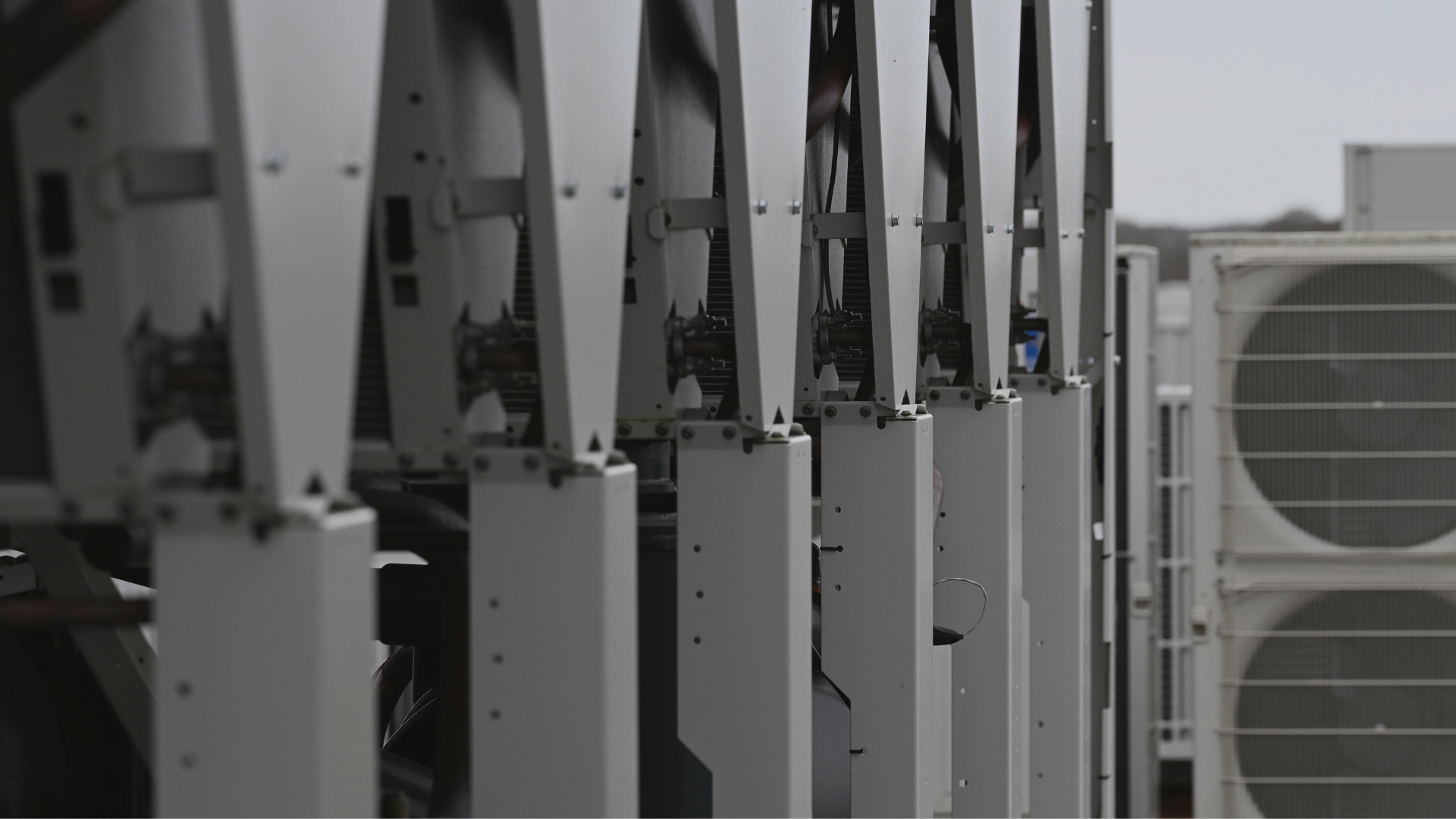
The growth of AI workloads requires significant expansion of physical infrastructure. Data centers must be built, upgraded, and optimized to handle increased computational demand. These facilities depend on reliable power systems, advanced cooling technologies, and resilient construction design. As AI adoption accelerates, hyperscale data center development is increasing across major markets, with facilities consuming tens to hundreds of megawatts per site.
Energy systems are also evolving in response. AI driven demand is contributing to rising electricity consumption, with some forecasts suggesting that global data center electricity usage could double by the end of the decade. This creates pressure on grids to deliver consistent, high capacity power while maintaining efficiency and stability. Cooling systems are another critical component, as thermal management directly impacts performance and operating costs.
These dynamics highlight the extent to which AI growth is grounded in physical systems that require specialized expertise to deploy and maintain.
The expansion of infrastructure is translating directly into workforce demand. Skilled trades such as HVAC technicians, electricians, and construction specialists are playing a central role in enabling AI deployment. According to Randstad, demand for these roles is increasing at a rate roughly three times faster than professional occupations, reflecting both immediate hiring needs and long term structural shifts.
Several factors are driving this trend. The complexity of modern data centers requires advanced technical skills, particularly in areas such as precision cooling and high voltage electrical systems. At the same time, many experienced workers in these fields are approaching retirement, while fewer new entrants are entering trade professions. This creates a supply demand imbalance that is further amplified by rapid infrastructure expansion.
These roles are increasingly recognized as foundational to economic growth, as they directly support the systems that power digital technologies.

As infrastructure scales, workforce availability is becoming closely linked with energy strategy. The ability to build and operate data centers efficiently depends on access to skilled labor as well as reliable energy supply. Delays in hiring or workforce shortages can slow construction timelines, limit operational capacity, and increase costs.
From an ESG perspective, this connection has clear implications. Data centers are energy intensive, with electricity consumption contributing to Scope 2 emissions. Construction activities and supply chains contribute to Scope 3 emissions. Companies expanding AI capabilities must therefore manage both workforce and energy considerations to meet sustainability targets.
Real time visibility into energy consumption is becoming essential. Organizations need to understand how infrastructure decisions impact emissions and operational efficiency. This includes tracking electricity usage, optimizing cooling performance, and identifying opportunities to reduce energy intensity. Integrating workforce planning with energy management enables more effective execution of large scale infrastructure projects.
To support continued AI expansion, companies are adopting more proactive approaches to workforce development. Randstad highlights the importance of structured hiring frameworks that prioritize long term talent pipelines and strategic workforce planning. Organizations are investing in training programs, partnerships with technical institutions, and initiatives designed to attract new talent into skilled trades.
Employer strategies are also evolving. Companies are placing greater emphasis on career development, competitive compensation, and modernized work environments to appeal to a new generation of workers. Digital tools are being used to improve productivity and support more efficient operations, helping teams manage increasingly complex systems.
These actions position workforce strategy as a core component of business growth, particularly in sectors influenced by AI driven demand.
AI is driving the creation of a new workforce that supports the infrastructure behind digital innovation. The expansion of data centers, energy systems, and cooling technologies is generating sustained demand for skilled trades, reshaping labor markets and creating new economic opportunities. As this trend continues, companies must align workforce planning with energy strategy to ensure efficient and sustainable growth.
Organizations that integrate real time energy data, infrastructure planning, and workforce development will be better positioned to scale AI operations effectively. This alignment supports not only operational performance but also progress toward emissions reduction goals. The evolution of AI is therefore closely tied to the people and systems that enable its deployment, reinforcing the importance of a coordinated approach across technology, energy, and labor.