
How Facilities Can Manage Peak Demand and Energy Costs
Expert Advice
Oct 9, 2026





Published May 8, 2026
 By NZero
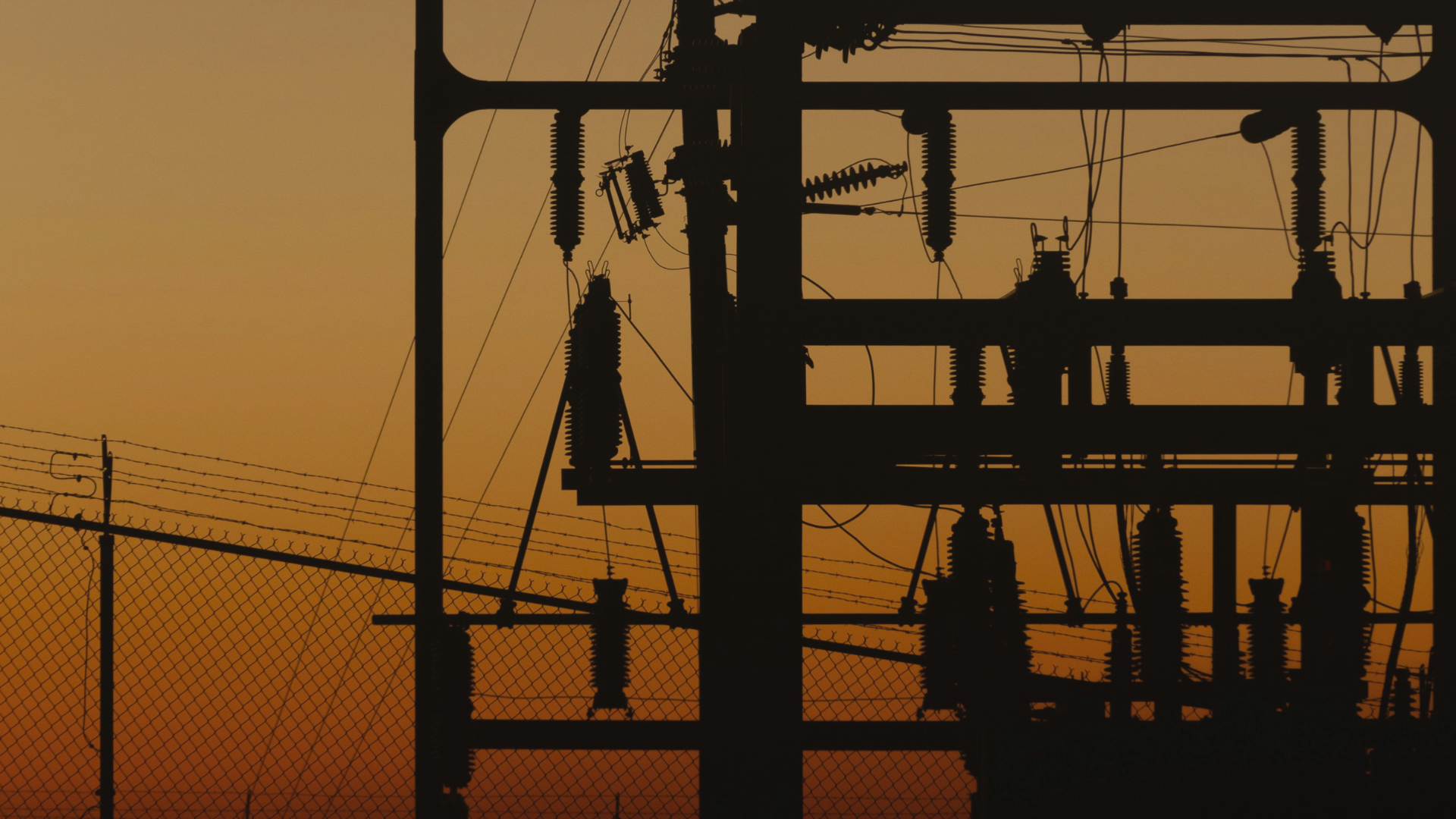
Electricity demand is rising faster than many utilities and grid operators expected. The rapid expansion of AI data centers, industrial electrification, semiconductor manufacturing, and digital infrastructure is placing new pressure on power systems across multiple regions. In response, companies are increasingly investing in private energy infrastructure rather than waiting for traditional grid expansion projects to catch up.
Recent reporting from Reuters highlighted how developers in Texas are moving forward with off grid and privately managed power projects to support large scale data center growth. Grid interconnection delays in some regions can stretch for several years, creating uncertainty for companies planning new facilities or expanding existing operations. For businesses that depend on stable electricity access, waiting for transmission upgrades or utility approvals is becoming harder to justify.
Private energy infrastructure can include a wide range of technologies such as on site solar generation, battery storage systems, microgrids, fuel cells, and natural gas backup generation. In some cases, companies are combining several technologies together to create hybrid energy systems capable of operating independently from the grid for extended periods.
Power demand tied to AI infrastructure has become one of the largest drivers of new electricity consumption forecasts. Hyperscale data centers require enormous and continuous energy loads, often comparable to the electricity demand of small cities. At the same time, manufacturing facilities, electric vehicle production, and industrial electrification projects continue to add pressure to existing transmission systems.
Utilities across the United States are facing growing interconnection queues as companies seek approval for new power projects. In many regions, the process can take years due to transmission constraints, permitting delays, and infrastructure shortages. Reuters reported this week that some developers in Texas are bypassing traditional utility timelines by building dedicated private power systems directly connected to data center facilities.
For many companies, the conversation around electricity procurement is changing. Renewable energy purchasing remains important, but access to reliable electricity itself is now a larger concern. Delays in securing grid capacity can affect construction timelines, expansion plans, and operational reliability. Industrial operators, logistics facilities, semiconductor manufacturers, and large commercial campuses are all competing for electricity access in regions where infrastructure upgrades cannot move fast enough to match demand growth. As a result, energy planning is becoming more closely tied to broader business strategy. Companies are evaluating where facilities should be located based on electricity availability, transmission access, and long term energy reliability.
The expansion of private energy infrastructure creates a more fragmented energy environment for large organizations. Instead of relying on a single utility connection, companies may operate multiple power sources simultaneously across different facilities and regions. A modern private power system can include solar generation during daylight hours, battery storage during peak pricing periods, natural gas backup generation during outages, and grid electricity when capacity is available. Some organizations are also exploring fuel cells and small scale microgrids to improve resilience.
While these systems can improve operational flexibility, they also create additional complexity. Each power source has different operating costs, emissions profiles, maintenance requirements, and reporting standards. Tracking electricity usage and emissions across multiple assets becomes significantly more difficult when energy sources vary throughout the day.
Scope 2 accounting may also become more complicated in hybrid energy environments. Emissions intensity can change hourly depending on whether electricity is coming from renewable generation, battery storage, grid electricity, or backup generators. Annual sustainability reporting frameworks may not provide enough detail to fully capture these operational differences. Companies therefore need better visibility across distributed energy systems. Real time monitoring, centralized energy data platforms, and operational analytics are becoming more important as organizations manage increasingly decentralized infrastructure portfolios. This shift also increases coordination between sustainability teams, energy procurement teams, facility operators, and infrastructure planners. Energy decisions that were previously handled separately are becoming more interconnected at the operational level.
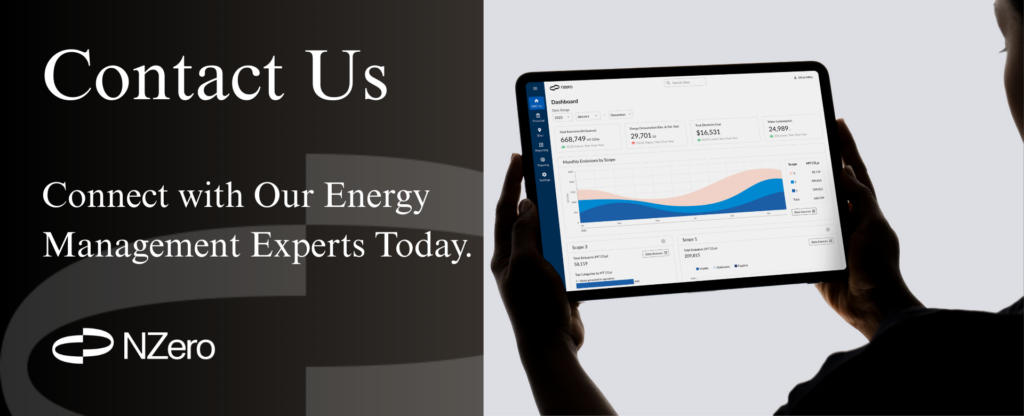
As energy systems grow more complex, companies need more detailed operational data to support daily decision making. Traditional annual reporting cycles are often too slow for environments where electricity costs, demand conditions, and emissions intensity can change throughout the day.
Operators increasingly need visibility into:
This information now affects operational efficiency, infrastructure planning, and financial performance alongside sustainability reporting. Companies with limited visibility into their energy usage may struggle to optimize costs or respond effectively during periods of grid stress. The growth of AI infrastructure adds another layer of complexity. Large data center operators often need to balance computing demand with power availability, cooling requirements, and energy procurement strategies. Real time energy data can help organizations improve load management, reduce operational inefficiencies, and coordinate distributed power assets more effectively.
The growth of private energy infrastructure could influence how companies approach sustainability strategy over the next several years. Reliable electricity access, operational continuity, and infrastructure resilience are becoming larger priorities alongside emissions reduction goals. In some regions, private power systems may support faster renewable energy adoption by allowing companies to deploy on site solar and battery storage without waiting for utility scale projects. Hybrid systems may also help reduce exposure to grid outages and electricity price spikes.
At the same time, the transition creates tradeoffs. Some organizations are relying on natural gas generation to support immediate power needs while renewable infrastructure and transmission capacity continue to expand. Others may continue using diesel backup systems during periods of grid instability.
These decisions can complicate corporate decarbonization pathways, particularly when companies operate multiple power sources with different emissions profiles. Measuring emissions accurately across hybrid systems becomes increasingly important as sustainability reporting requirements continue to evolve.
The broader trend suggests that energy infrastructure planning will play a larger role in corporate sustainability discussions moving forward. Companies are no longer evaluating energy strategy only through the lens of procurement contracts or annual reporting targets. Infrastructure access, operational resilience, and energy visibility are becoming central parts of long term planning. Organizations that can coordinate energy operations, emissions tracking, and infrastructure investment may be better positioned as electricity demand continues to rise globally.