
Big Tech Is Managing Water Like Energy
Expert Advice
Apr 7, 2026





Published February 9, 2026
 By NZero

Data center expansion has become one of the defining infrastructure stories of the US energy system. Driven by cloud computing, artificial intelligence, and digital service growth, data centers are scaling faster than many local systems were designed to accommodate. In multiple regions, that pace is now intersecting with practical limits around electricity infrastructure, land use, and long-term planning capacity. As a result, cities and states are reassessing how data center growth fits into their development frameworks. The response has not been uniform, but a clear pattern is emerging. Local governments are turning to planning strategies to better align data center development with infrastructure readiness, particularly on the energy side.
The rapid concentration of large electricity loads has placed new pressure on local grids. While generation capacity may be sufficient at the regional level, constraints often appear closer to the point of consumption. Substations, distribution networks, and transmission interconnections are increasingly becoming the binding factors for new projects. In several jurisdictions, these constraints have triggered reviews of permitting processes and development rules.
Cities and states are responding in different ways. Some have paused approvals while evaluating cumulative impacts. Others have moved directly to policy adjustments designed to guide growth more predictably. What unites these responses is a recognition that data centers represent a distinct category of infrastructure. Their energy intensity, long operating lifespans, and rapid scaling potential require more deliberate planning than traditional industrial or commercial developments.
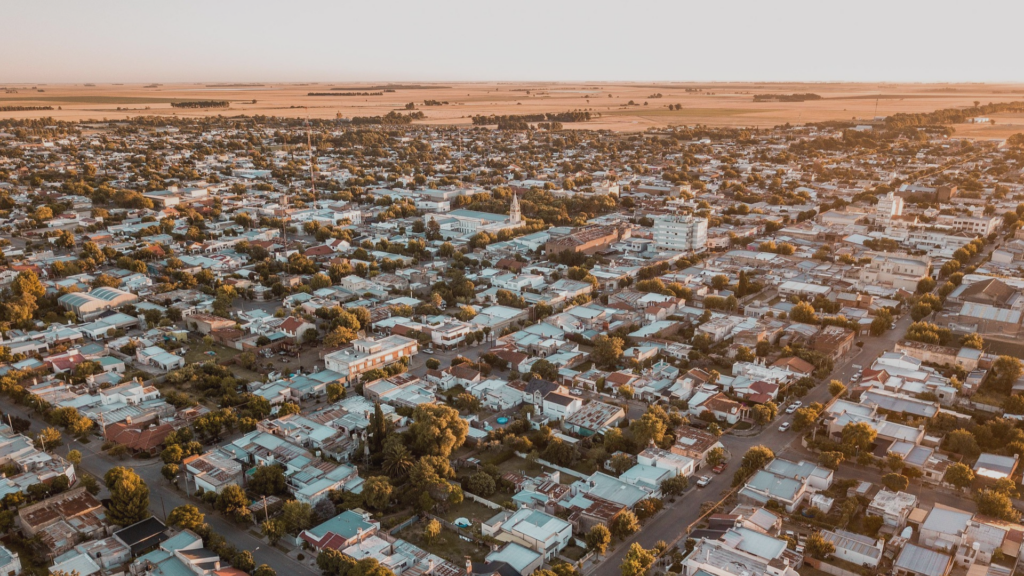
One of the clearest shifts is occurring in zoning and land use policy. Many zoning codes were written before data centers emerged as dominant electricity consumers. As a result, land use classifications often failed to reflect the infrastructure demands associated with these facilities. Cities are now updating zoning ordinances to close that gap.
Kansas City provides an example of how zoning can be used as a planning tool rather than a barrier. By revising its zoning framework, the city aimed to provide clearer guidance on where data centers can be located and how those locations align with available infrastructure. The intent is not to discourage development, but to reduce uncertainty for developers, utilities, and residents alike. Aligning zoning with infrastructure capacity helps prevent mismatches between project approvals and the ability of local systems to support them.
This approach is gaining attention because it shifts decision making upstream. Instead of addressing infrastructure conflicts after projects are proposed, cities can embed energy considerations directly into land use rules.

Alongside zoning changes, energy planning is becoming a more formal part of development review. Cities are increasingly coordinating with utilities to understand how new data center loads will affect local systems over time. This includes evaluating peak demand impacts, upgrade timelines, and cost allocation mechanisms.
Energy assessments are beginning to influence project sequencing. In some cases, phased development tied to infrastructure upgrades is being encouraged. In others, clearer expectations around load profiles are being integrated into permitting discussions. These steps allow cities to manage growth without relying solely on blanket restrictions, while giving operators greater visibility into approval pathways.
This shift reflects a broader recognition that energy availability is not static. Planning for long-term demand requires data, forecasting, and ongoing coordination among stakeholders.
For data center operators, the policy landscape is becoming more structured and more data driven. Energy strategy is increasingly evaluated alongside site selection, design, and financing decisions. Operators that can articulate their expected load, growth trajectory, and flexibility options are better positioned to engage with cities and utilities early in the process.
Planning strategies adopted by local governments are also creating clearer expectations. Rather than navigating ad hoc decisions, developers can increasingly anticipate how energy considerations will factor into approvals. This predictability supports more efficient project planning and reduces the risk of late-stage delays tied to infrastructure constraints.
Data center growth continues to be a critical component of economic and digital infrastructure development. At the same time, local limits around energy and infrastructure are shaping how that growth unfolds. Cities are responding with planning strategies that reflect the scale and complexity of modern data centers, using zoning, energy assessments, and coordination with utilities to manage demand more effectively.
These approaches signal an evolution rather than a rejection of data center development. As planning frameworks mature, energy strategy is becoming a central element in aligning data center expansion with local capacity. For operators and policymakers alike, the ability to plan, measure, and adapt energy use will play a defining role in the next phase of data center growth.