
Big Tech Is Managing Water Like Energy
Expert Advice
Apr 7, 2026





Published December 22, 2025
 By NZero
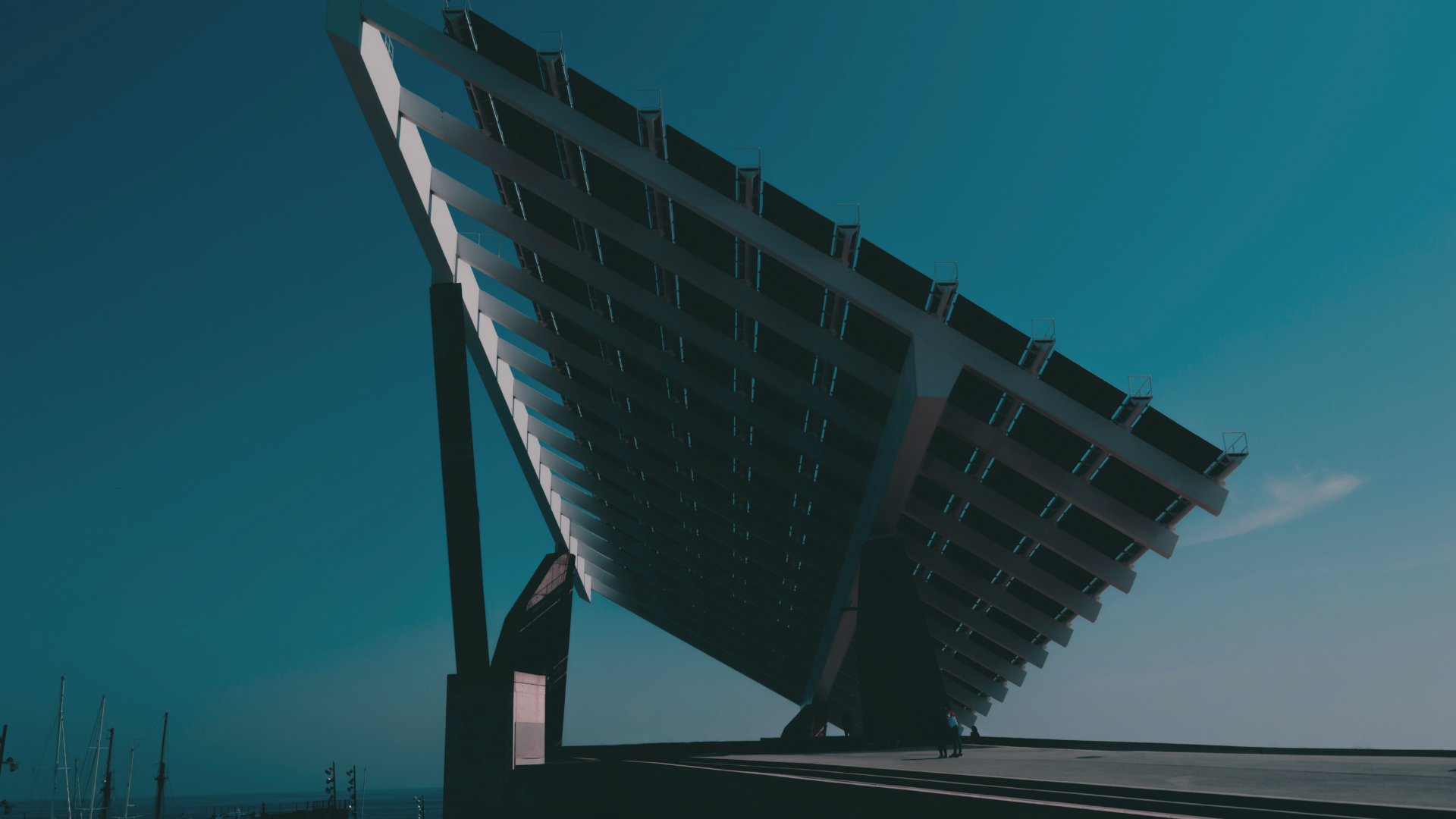
Global energy systems are entering a period of structural change, and energy storage is emerging as one of the fastest scaling technologies within that transition. What was once viewed primarily as a supporting asset for renewable integration is now being deployed as a core component of power systems across multiple regions. Recent installation data, auction results, and cost benchmarks indicate that storage deployment is accelerating globally, driven by clear economic signals rather than policy ambition alone. Falling costs, improved performance, and more mature market design have collectively shifted energy storage from a niche solution to a mainstream infrastructure investment.
Across global electricity markets, energy storage deployment has moved decisively beyond pilot projects. Utility scale battery energy storage systems are now being installed in multi gigawatt portfolios, reflecting growing confidence among utilities, developers, and grid operators. In many regions, storage is no longer deployed experimentally but is being integrated directly into long term grid planning and capacity expansion strategies.
This shift is visible across a wide range of geographies. Europe has expanded competitive storage tenders to support grid stability and renewable integration. The Middle East has launched large scale auctions tied to solar generation, using batteries to manage evening demand peaks. South Asia and Australia have accelerated deployment to address grid congestion and reliability challenges linked to rapid renewable growth. Latin American markets are increasingly pairing storage with solar to mitigate curtailment and price volatility.
Co location of storage with renewable generation has become a dominant deployment model. By installing batteries alongside solar or wind assets, developers can smooth output profiles, reduce grid connection constraints, and improve asset utilization. This approach also shortens development timelines by leveraging existing interconnection rights and land availability.
One of the most important drivers of accelerating deployment is the rapid decline in the cost of utility scale battery storage. Recent global auction outcomes and project data show that large, long duration battery energy storage systems are now being built for approximately 125 dollars per kilowatt hour on an all in basis in markets outside the United States and China. This figure includes both core equipment and installation and grid connection costs.
These capital cost reductions translate into a levelised cost of storage of roughly 65 dollars per megawatt hour for projects designed to shift electricity across time periods, such as moving daytime solar generation into evening and night hours. This represents a sharp decline from storage costs seen just a few years ago and reflects more than lower battery prices alone.
Improved system lifetimes, higher round trip efficiency, and declining financing costs have all contributed to the falling cost of storage. Modern lithium iron phosphate batteries are now commonly designed for 20 year operating lives, compared to around 10 years in earlier generations. Efficiency improvements have reduced energy losses, while clearer revenue models have lowered perceived project risk and the cost of capital.
As a result, storage has become economically viable in markets that previously relied on fossil fuel peaking plants or expensive grid upgrades to manage variability. The cost threshold that once limited deployment has now been crossed in many regions.

The way energy storage is procured has changed significantly in recent years, further accelerating deployment. Competitive auctions and long term contracts are increasingly replacing merchant exposure and short term revenue arrangements. This shift has had a direct impact on project bankability and investor appetite.
Auctions in markets such as Europe, the Middle East, and South Asia now offer fixed or semi fixed revenue streams for storage services over multi year periods. These mechanisms reduce price volatility and provide predictable cash flows, which in turn support lower financing costs. For institutional investors and infrastructure funds, this predictability is critical.
Clearer market rules around dispatch priority, capacity payments, and ancillary services have also reduced regulatory uncertainty. Grid operators are increasingly specifying the services they require from storage, such as frequency regulation, reserve capacity, or energy shifting, and compensating projects accordingly. Standardized contracts and transparent procurement processes shorten development timelines and allow developers to scale portfolios more efficiently.
As deployment scales, the role of energy storage within power systems is expanding. Batteries are no longer used only for short term balancing or emergency backup. They are increasingly relied upon to provide a broad range of grid services that were historically supplied by conventional generation.
Energy shifting remains a central use case, particularly in systems with high solar penetration. By storing surplus daytime generation and releasing it during evening demand peaks, storage improves system reliability and reduces reliance on fossil fuel generation. Beyond energy shifting, batteries are now routinely used for frequency control, voltage support, spinning reserve, and black start capability.
This multifunctional role strengthens the economic case for storage. When multiple revenue streams are combined, the effective cost of each service declines. For grid operators, storage offers a flexible asset that can respond rapidly to changing system conditions without the long lead times associated with new transmission or thermal generation projects.
Long duration storage is gaining particular attention as systems seek to manage longer periods of imbalance between supply and demand. While batteries are not a complete substitute for all forms of firm capacity, they are increasingly central to maintaining reliability in renewable heavy grids.
Looking ahead, the outlook for global energy storage deployment remains strong. Most future electricity demand growth is expected to occur in regions with high quality solar resources and rising electrification. In these markets, combining solar generation with storage is emerging as one of the most cost effective ways to meet new demand while improving energy security.
Dispatchable solar enabled by storage can now deliver electricity at costs that are competitive with new fossil fuel generation, particularly in countries reliant on imported fuels. At the same time, battery manufacturing capacity has expanded rapidly and now exceeds current demand, supporting continued cost reductions and supply availability.
Energy storage also has broader system level implications. It reduces the need for overbuilding generation and transmission, mitigates price volatility, and enhances resilience to extreme weather and demand shocks. Even when battery equipment is imported, a substantial share of project value remains local through engineering, construction, and grid integration activities.
The acceleration of global energy storage deployment reflects a fundamental shift in power system economics and planning. Falling costs, improved technology, and more sophisticated market design have transformed storage from a supplementary asset into essential infrastructure. As electricity systems continue to decarbonize and electrification accelerates, energy storage will play a central role in delivering reliable, affordable, and flexible power across regions. The pace of deployment seen today suggests that this transition is already well underway, with storage positioned as one of the defining technologies of the next phase of the global energy transition.