Heat pumps are gaining momentum across the United States as businesses and homeowners look for ways to improve energy efficiency and manage rising utility costs. According to the Building Decarbonization Coalition’s Q2 2026 Momentum Report, heat pump shipments surpassed gas furnace shipments during the first quarter of 2026, while heat pump water heater shipments reached a record quarterly high. Although much of the recent attention has focused on residential energy affordability, the same trend has important implications for commercial buildings.
Heating and cooling account for a significant share of energy use in offices, manufacturing facilities, retail spaces, healthcare buildings, and educational institutions. As organizations modernize their facilities, many are evaluating whether heat pumps can improve operational efficiency while supporting long-term energy strategies. While every building has unique requirements, understanding how heat pumps work and how they fit into broader energy management efforts can help organizations make more informed investment decisions.
How Heat Pumps Improve Energy Efficiency
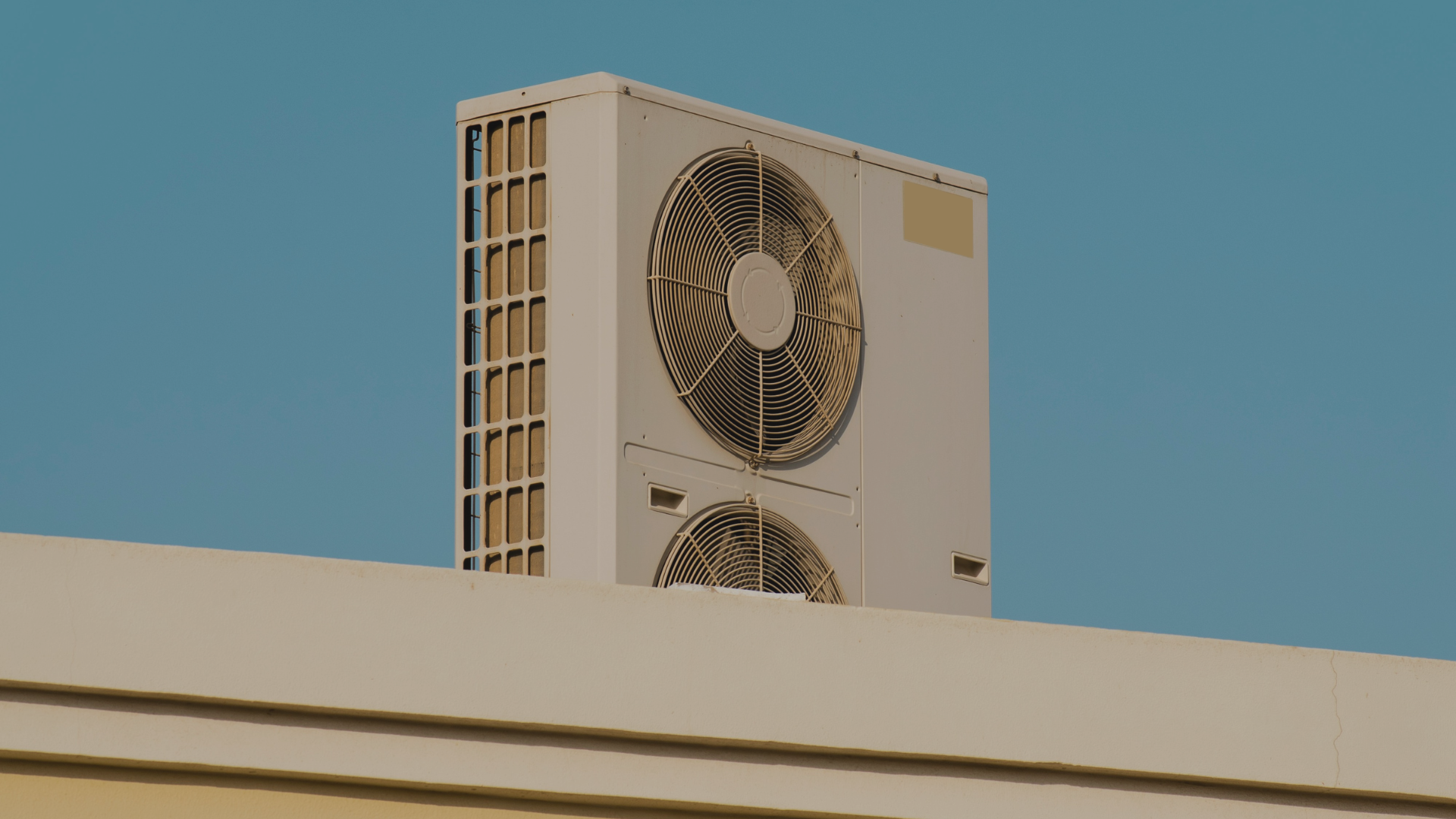
Unlike conventional heating systems that generate heat by burning fuel or using electric resistance heating, heat pumps transfer heat from one location to another. During colder months, they extract heat from the outside air or the ground and move it indoors. In warmer months, the process reverses, allowing the same system to provide cooling by removing heat from the building.
Because heat pumps move existing heat instead of creating it, they can operate much more efficiently than traditional electric resistance systems. Many modern air-source heat pumps can deliver several units of heat for every unit of electricity consumed under suitable operating conditions, resulting in lower energy consumption for heating.
Heat pumps are commonly categorized into two types:
Air-source heat pumps, which transfer heat between a building and the outdoor air
Ground-source (geothermal) heat pumps, which use the relatively stable underground temperature to improve efficiency
Both technologies can help reduce energy consumption, although the most appropriate solution depends on factors such as climate, building design, installation costs, and available space.
Another advantage is that a single heat pump system can often provide both heating and cooling. This can simplify building operations by reducing the need for separate HVAC equipment while improving occupant comfort throughout the year.
Why More Commercial Buildings Are Considering Heat Pumps
Several factors are driving increased interest in heat pumps across the commercial sector.
First, energy costs remain a major concern for businesses. Electricity and natural gas prices have experienced periods of volatility in recent years, making long-term operating costs more difficult to predict. Improving HVAC efficiency can help reduce overall energy consumption, lowering utility expenses over the lifetime of a building.
Second, many organizations are replacing aging equipment as it reaches the end of its useful life. Rather than installing another conventional heating system, facility managers are increasingly evaluating whether heat pumps offer better long-term value.
Third, building owners are placing greater emphasis on operational efficiency. Heat pumps can support broader building modernization efforts alongside insulation improvements, smart building controls, lighting upgrades, and advanced HVAC management systems.
The Building Decarbonization Coalition’s latest market update suggests that this momentum continues to grow. Heat pump shipments exceeded gas furnace shipments during the first quarter of 2026, indicating that electric heating technologies are becoming an increasingly common choice in the market. While adoption rates vary across regions and building types, the overall trend reflects growing confidence in the technology.
That said, heat pumps are not the ideal solution for every facility. Building age, local climate, electricity prices, existing infrastructure, and operational requirements all influence whether a heat pump delivers the expected return on investment. A careful evaluation of building performance remains essential before making significant equipment upgrades.
Energy Management Maximizes the Value of Heat Pumps
Installing more efficient equipment is only one part of improving building performance. Organizations also need visibility into how that equipment operates over time.
Without reliable energy data, it can be difficult to determine whether a new HVAC system is delivering the expected savings or whether operational issues are increasing energy consumption. Monitoring electricity usage at the building or equipment level allows facility managers to compare seasonal performance, identify unexpected increases in consumption, and verify that efficiency improvements are producing measurable results.
This is particularly important as buildings become more electrified. As heating systems transition from fossil fuels to electricity, organizations may see changes in load profiles, peak demand, and electricity costs. Understanding these changes helps businesses optimize HVAC schedules, reduce unnecessary energy use, and better manage utility expenses.
Energy management platforms can support these efforts by centralizing utility data across multiple facilities, tracking historical consumption trends, and providing insights that help organizations prioritize future investments. Rather than relying solely on estimated savings, businesses can use operational data to evaluate how equipment performs under real-world conditions.
Planning for the Future of Building Efficiency
Heat pumps are expected to play an increasingly important role as commercial buildings continue to modernize. Growing adoption reflects a broader focus on improving energy efficiency, managing operating costs, and preparing facilities for a more electrified future.
However, selecting efficient equipment is only one step in achieving better building performance. Long-term success depends on understanding how buildings consume energy, identifying opportunities for continuous improvement, and making investment decisions based on reliable data.
As organizations evaluate future HVAC upgrades, heat pumps are likely to become part of more capital planning discussions. Combined with ongoing energy monitoring and performance analysis, they can help businesses build more efficient, resilient, and cost-effective facilities over time.