
Tariffs on Grid Equipment Are Already Reshaping Energy Strategy
Policy Hub
Apr 6, 2026





Published January 13, 2026
 By NZero

The rapid expansion of artificial intelligence, cloud computing, and digital services has pushed electricity demand growth back to the center of U.S. energy policy discussions. Nowhere is this more visible than in New York, where data centers are emerging as some of the fastest growing large electricity users. On January 12, 2026, New York Governor Kathy Hochul announced the Energize NY Development Plan, a policy initiative she plans to detail further in her 2026 State of the State address. The governor has said she will ask the New York Public Service Commission to establish an Energy NY Development program aimed at ensuring large energy intensive facilities cover the incremental grid costs associated with their electricity use. The proposal is designed to protect residential and small business ratepayers from higher utility bills while addressing concerns about infrastructure strain and long term grid planning.
The Energize NY Development Plan is framed around a central objective: aligning the cost of new electricity demand with those entities that create it. State officials have emphasized that while data centers and AI infrastructure bring economic activity and investment, they also drive the need for new generation capacity, transmission upgrades, and distribution system reinforcements. Under traditional utility regulation, many of these costs are spread across all customers through rate increases.
The new plan seeks to limit this cost socialization by establishing mechanisms that ensure large load customers contribute directly to the infrastructure required to serve them. While detailed regulatory language is still under development, the policy signals a shift toward more granular cost allocation tied to load size, timing, and system impact. The proposal also aligns with New York’s broader climate and energy framework, which includes aggressive emissions reduction targets, clean energy standards, and electrification goals that already place pressure on the grid.
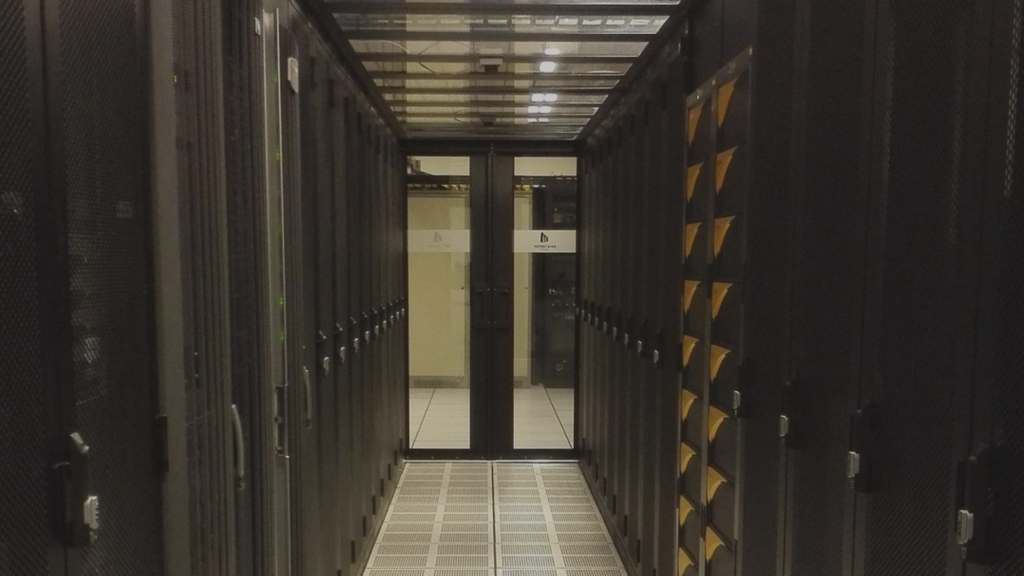
At the core of Energize NY is the concept of cost responsibility. For data centers, this extends beyond standard volumetric electricity rates. Incremental costs may include transmission and distribution upgrades triggered by new interconnection requests, capacity resources needed to meet peak demand, and investments required to maintain reliability in constrained regions.
Rather than embedding these costs into general rate cases, the plan envisions assigning them directly to the project or customer that necessitates the investment. This approach resembles cost causation principles used in some wholesale markets but applies them more explicitly at the retail and distribution level. In practice, this could lead to higher upfront capital requirements for new data center developments, longer interconnection timelines, and more complex negotiations with utilities and regulators.
For hyperscale operators, Energize NY introduces new considerations into site selection and project economics. Higher grid related costs could influence decisions about where to locate future capacity, particularly when compared with states that offer abundant power, faster interconnections, and lower regulatory complexity. At the same time, New York’s proximity to financial markets, dense population centers, and enterprise customers remains a strong draw.
Colocation providers may face additional challenges as well. Many rely on predictable utility pricing structures to offer long term contracts to tenants. If grid impact costs are passed through unevenly or vary by location, providers may need to redesign pricing models and risk allocation frameworks. Across the sector, the policy may accelerate investments in energy efficiency, onsite generation, energy storage, and direct renewable procurement as ways to manage long term electricity exposure.

From a utility perspective, Energize NY could improve planning certainty. Large load growth has become increasingly difficult to forecast, particularly as AI driven demand can materialize quickly and at scale. Requiring large customers to fund grid upgrades may reduce financial risk for utilities and help align infrastructure development with actual demand.
The policy could also support more flexible grid solutions. If data centers face clearer price signals tied to peak demand and system stress, they may be more inclined to participate in demand response programs, deploy battery storage, or adjust operating profiles. However, utilities will also need to manage added regulatory complexity, ensure transparency in cost calculations, and maintain fairness across customer classes.
The Energize NY Development Plan represents a notable shift in how states approach the intersection of digital infrastructure growth and electric grid economics. By emphasizing cost responsibility for large energy users, New York is testing a model that prioritizes ratepayer protection and system reliability while still seeking to attract investment. The ultimate impact on data center development will depend on implementation details, regulatory consistency, and how effectively the policy balances economic competitiveness with infrastructure needs. As electricity demand from AI and data continues to rise, New York’s approach may offer lessons for other states grappling with similar challenges.