
Battery Storage Is Growing Faster Than National Targets
Global Perspectives
Oct 20, 2026


Published October 22, 2026
 By NZero
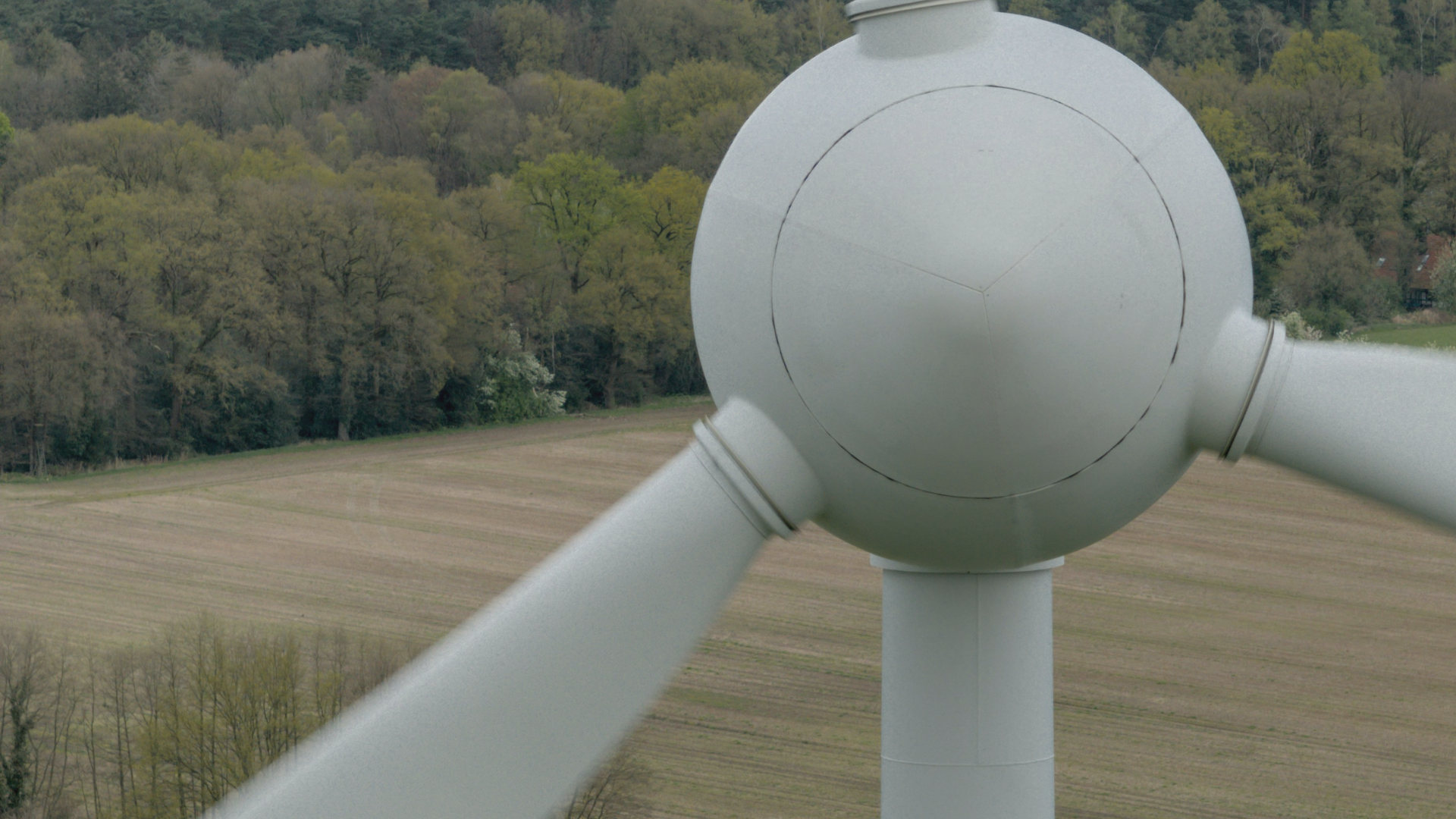
Corporate buyers of renewable electricity in North America saw contract prices move higher again in the third quarter of 2026. According to LevelTen Energy’s latest North American PPA Price Index, P25 solar prices on its Continental Index rose 4.9% during Q3, reversing a brief period of relief the previous quarter. The index tracks the prices that wind and solar developers have offered for power purchase agreements on the LevelTen Energy Marketplace. This quarter’s dataset covers 206 price offers from 166 renewable energy projects across six markets: AESO, CAISO, ERCOT, MISO, PJM, and SPP. Three forces stand out in the latest report. New trade tariffs are lifting solar costs, federal permitting delays continue to constrain wind, and voluntary climate frameworks are moving out of step with federal tax credit deadlines. For sustainability and procurement teams planning renewable electricity purchases and Scope 2 strategies, each of these trends carries practical implications for timing, cost and contract design.
The Q3 increase marks a clear shift from the second quarter. In Q2, LevelTen reported the first decline in solar PPA prices in two years, with Market-Averaged prices falling 4.8% quarter over quarter. At the time, LevelTen pointed to softer demand. Many C&I corporates were hesitant amid ongoing GHG Protocol revisions and high PPA prices, and developers were likely sharpening offers to stay competitive.
That softening did not last. LevelTen identifies the main pricing factor in Q3 as the Section 232 tariffs announced in early August. The scope and structure of the measures explain why their effect on prices is significant:
Although the tariffs do not take effect until December, the US Department of Commerce has already moved to prevent what it considers stockpiling of polysilicon and related products. As a result, developers are already building the expected costs into their PPA offers.
LevelTen also introduced a new benchmark this quarter. Its Core-Markets P25 Solar Price stands at $64.23/MWh. Because the metric is new, readers should treat direct dollar comparisons with earlier quarters with some caution.
Wind prices moved very little in Q3. On LevelTen’s Continental Index, wind prices were essentially flat, declining 0.1% quarter over quarter, while the new Core-Markets P25 Wind Price came in at $68.27/MWh. This follows a sharp rise in the prior quarter, when wind prices on the Market-Averaged Continental Index increased 5.5% quarter over quarter and 17.5% year over year.
The flat Q3 average masks regional differences. Wind prices rose in most markets, but a modest decline in ERCOT offset those increases because ERCOT’s much larger offer pool gives it greater weight in the index.
Costs continue to build on the supply side. The same Section 232 measures apply duties on steel, aluminum, and some copper products, raising the cost of wind development. LevelTen considers permitting the larger issue, however. According to the report, many US wind projects remain in limbo because the Federal Aviation Administration and Department of Defense have not been issuing Determination of No Hazard permits and mitigation agreements, both of which are required for development to proceed. In its Q2 report, LevelTen noted that legal challenges are ongoing, while the pipeline of viable wind assets has been shrinking and fully permitted projects command price premiums.
Buyers are adjusting their approach in response. With limited new supply, some buyers are looking to operational wind projects to secure wind capacity with less risk.
The Q3 report also gives significant attention to how corporate climate frameworks interact with federal energy policy. LevelTen describes the two as deeply misaligned at present. Ongoing revisions to the Greenhouse Gas Protocol have led many corporates to pause procurement while they wait for greater certainty. Meanwhile, US developers must place projects in service by the end of 2030 to receive tax credits. This creates a timing problem. PPAs are often a prerequisite for project financing, so delayed procurement can slow the projects that still offer tax-credit-supported pricing.
This links to a trend LevelTen has highlighted for several quarters. The market’s largest buyers, most of whom are pursuing data center energization targets, have dominated the PPA landscape over the last year. Many other corporate buyers have held back.
The report points to several dates and rules that could shape buyer decisions:
For companies setting science-based targets, these rules may affect both the timing and the location of future procurement.
LevelTen’s Q3 2026 index shows a market shaped by policy on several fronts. Trade measures are lifting solar costs, permitting delays are limiting new wind supply, and corporate buyers are weighing evolving reporting frameworks against fixed tax credit timelines. LevelTen’s Q2 outlook remains relevant. It cautioned that tariffs, rising insurance premiums, high labor costs, difficult permitting and looming tax credit scarcity make deep pricing relief unlikely. At the same time, LevelTen argues that PPAs can help balance corporate electricity spending by hedging against market volatility, geopolitical shocks, and extreme weather.
For organizations planning renewable procurement over the next 12 months, the key milestones to watch are:
Buyers who understand how these factors affect their Scope 2 accounting and energy budgets will be better positioned to decide when, where and how to contract.