
Big Tech Is Managing Water Like Energy
Expert Advice
Apr 7, 2026





Published February 16, 2026
 By NZero
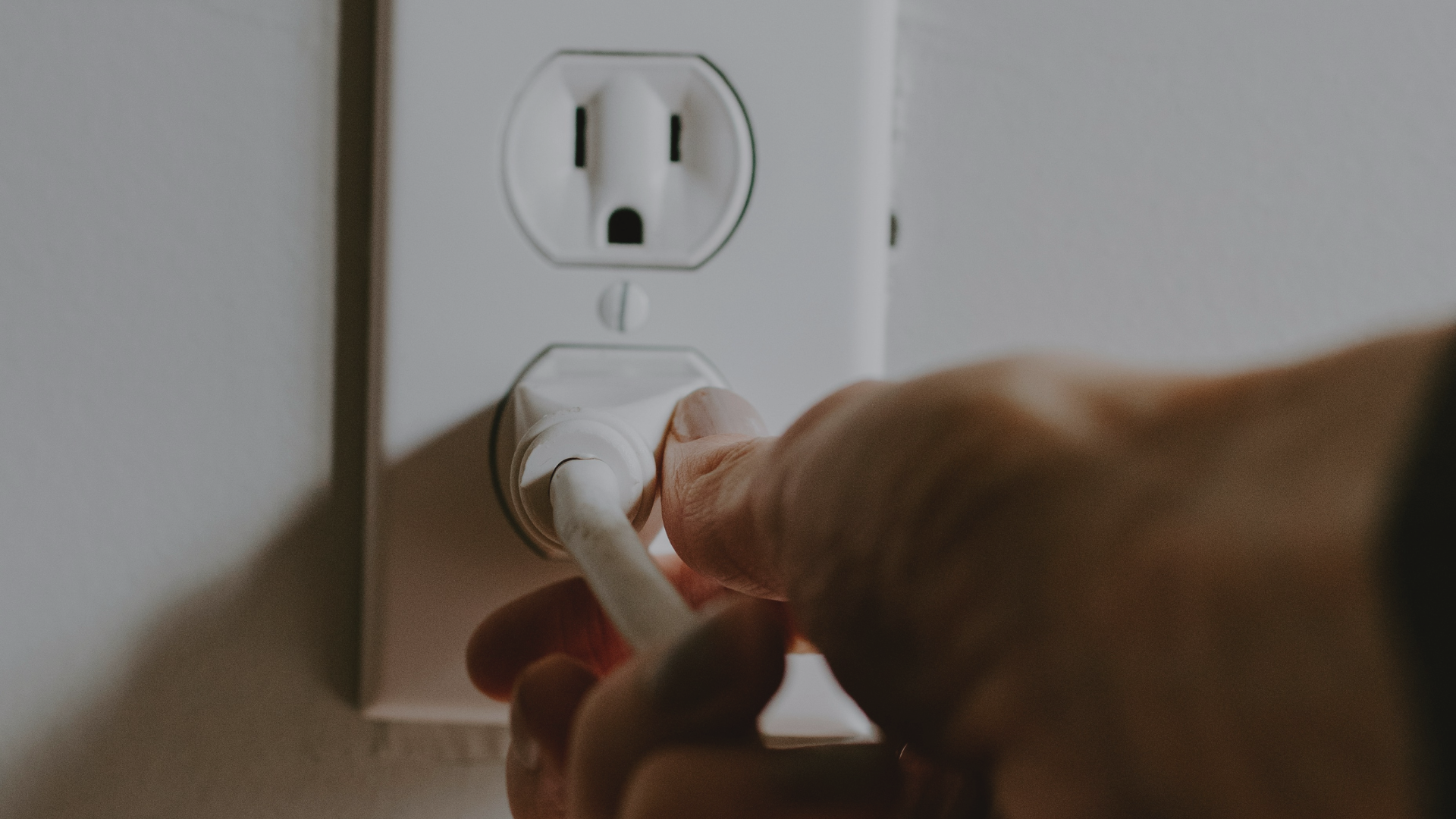
Even in highly optimized facilities, energy consumption rarely drops to zero when operations stop. Manufacturing lines power down, office staff leave, and logistics activity slows, yet electricity meters continue to record steady demand. This persistent baseline, often referred to as phantom load, represents one of the most overlooked forms of energy waste in commercial and industrial environments. As electricity prices remain volatile and corporate decarbonization targets tighten, unmanaged after-hours consumption directly erodes both financial performance and climate progress. For organizations focused on energy efficiency, identifying and reducing phantom loads offers one of the fastest and most cost-effective pathways to measurable improvement.
Phantom loads refer to electricity consumed by equipment and systems that remain powered during periods when facilities are partially or fully non-operational. Some baseline demand is necessary to maintain safety, security, and operational continuity. However, a significant share often stems from systems running beyond required schedules or operating at inefficient set points.
Common contributors include HVAC systems that continue operating overnight, lighting in low-occupancy zones, always-on plug loads, continuously running compressors, and control systems that were never optimized after installation. In data-intensive environments, servers and cooling systems may operate at uniform levels despite fluctuating demand. In manufacturing, compressed air systems and auxiliary equipment can represent a steady draw long after production ends.
Phantom loads persist for structural reasons. Building Management System scheduling errors, inconsistent oversight between facilities and operations teams, and lack of granular interval data limit visibility into non-operational waste. Many organizations rely on monthly utility bills, which obscure daily load patterns and mask after-hours inefficiencies. Over time, incremental adjustments, occupancy changes, and equipment upgrades create scheduling drift. Without continuous monitoring, base load creep becomes normalized.
After-hours energy consumption varies by sector, but benchmarks consistently show meaningful opportunity for reduction.
Typical after-hours consumption benchmarks include:
Base load inefficiencies can represent 10 to 30 percent of total electricity use depending on facility type. For a mid-sized industrial site consuming 20 gigawatt-hours annually, a 15 percent avoidable base load equates to 3 gigawatt-hours of excess consumption. At an average commercial electricity rate of 0.12 USD per kilowatt-hour, this translates to 360,000 USD in annual cost exposure. In markets with higher tariffs or significant demand charges, the financial impact increases further.
Operational load profiling provides the analytical foundation for identifying these inefficiencies. By comparing energy curves during defined Open and Closed periods, energy managers can isolate abnormal demand signatures. Weekend and holiday load comparisons often reveal discrepancies that indicate scheduling errors or equipment left operating unintentionally. Over time, consistent monitoring enables facilities to track whether corrective actions translate into measurable reductions.

Electricity consumption directly drives Scope 2 emissions for most commercial and industrial organizations. When unnecessary after-hours usage persists, reported emissions per unit of output rise even if production efficiency improves. Phantom loads therefore undermine energy intensity metrics and can distort decarbonization narratives.
For companies operating in grids with average carbon intensities of 400 to 500 grams of CO2 per kilowatt-hour, eliminating 3 gigawatt-hours of excess annual consumption could avoid approximately 1,200 to 1,500 metric tons of CO2 emissions. This reduction occurs without capital investment in new equipment. It stems purely from operational optimization.
Reducing phantom loads strengthens ESOS performance metrics, improves carbon accounting accuracy, and supports science-aligned transition plans. It also enhances credibility in sustainability reporting by demonstrating measurable operational discipline rather than reliance solely on procurement of renewable energy certificates. As regulatory scrutiny increases and investors evaluate energy productivity, unmanaged base load becomes a visible risk factor.
Traditional energy management approaches based on monthly billing data lack the resolution necessary to identify phantom loads. Interval data, segmented by operational state, enables more precise diagnosis. Platforms such as NZero provide granular visualization of Open versus Closed load profiles, allowing organizations to isolate non-operational waste across individual facilities and entire portfolios.
AI-powered analytics can automatically detect abnormal after-hours consumption patterns and flag scheduling inconsistencies in Building Management Systems and HVAC controls. For example, if overnight demand exceeds historical baselines by a defined threshold, automated alerts can prompt facilities teams to investigate. Similarly, load anomalies during weekends or holiday shutdowns can indicate override settings or equipment faults.
By integrating real-time data with operational schedules, NZero enables energy managers to distinguish between essential baseline demand and avoidable idle consumption. Portfolio-level benchmarking highlights which sites exhibit disproportionate base load intensity relative to peers. This structured visibility supports prioritization of corrective actions.
Many phantom load reductions require no capital expenditure. Adjusting HVAC set points, refining lighting schedules, correcting BMS programming, and reinforcing operational accountability often deliver immediate savings. These low- and no-capex actions provide measurable returns that can strengthen broader energy efficiency roadmaps. Over time, sustained monitoring ensures that gains persist and prevents regression.
Phantom loads represent a hidden but significant drain on energy efficiency performance. Even in facilities that have invested heavily in equipment upgrades and renewable procurement strategies, unmanaged after-hours consumption can account for a substantial share of total electricity use. Addressing base load inefficiencies delivers immediate financial savings, reduces Scope 2 emissions, and improves compliance with energy performance standards.
As organizations pursue more disciplined energy management strategies, the ability to visualize and act on Open versus Closed load profiles becomes essential. NZero’s real-time analytics platform transforms interval data into actionable insight, enabling detection of scheduling drift, operational mismatches, and persistent idle demand. By making non-operational waste visible, companies can convert hidden inefficiencies into measurable progress toward both cost reduction and climate objectives.