
Why Power Availability Is Redefining CRE Development Strategy
Expert Advice
Mar 11, 2026





For years, the global data center industry concentrated growth in a small number of major hubs. In Europe, the FLAP-D markets of Frankfurt, London, Amsterdam, Paris, and Dublin became central nodes of digital infrastructure, while in the United States Northern Virginia emerged as the largest data center cluster in the world alongside markets such as Silicon Valley, Dallas, Phoenix, and Chicago.
That concentration is beginning to change. Rapid growth in cloud computing and artificial intelligence is pushing electricity demand to levels that existing hubs are struggling to support. Grid capacity limits, land constraints, and longer permitting timelines are slowing expansion in traditional markets. As a result, developers are increasingly looking toward a broader range of U.S. regions where energy availability and development timelines can better support the next wave of digital infrastructure.
The first major wave of data center development was driven primarily by connectivity. Early internet infrastructure relied on major network exchange points where large volumes of digital traffic could be efficiently routed. Cities with strong telecommunications infrastructure quickly became focal points for investment.
In Europe, the FLAP-D markets emerged as dominant hubs because they provided strong international connectivity and access to major economic centers. These cities developed clusters of hyperscale and colocation facilities that supported global cloud expansion.
In the United States, Northern Virginia developed a similar role. The region benefited from extensive fiber infrastructure, proximity to federal government networks, and strong connections to major East Coast population centers. Over time, it became the largest data center cluster in the world.
A second wave of development followed as hyperscale cloud providers expanded capacity to support enterprise cloud adoption and streaming services. Major cloud companies concentrated their infrastructure in the same established hubs where connectivity and network ecosystems were already mature.
While traditional hubs remain critical parts of the global digital infrastructure, rapid growth has begun to create infrastructure constraints. Electricity demand from hyperscale facilities has increased significantly, particularly as artificial intelligence and high performance computing workloads require higher power densities.
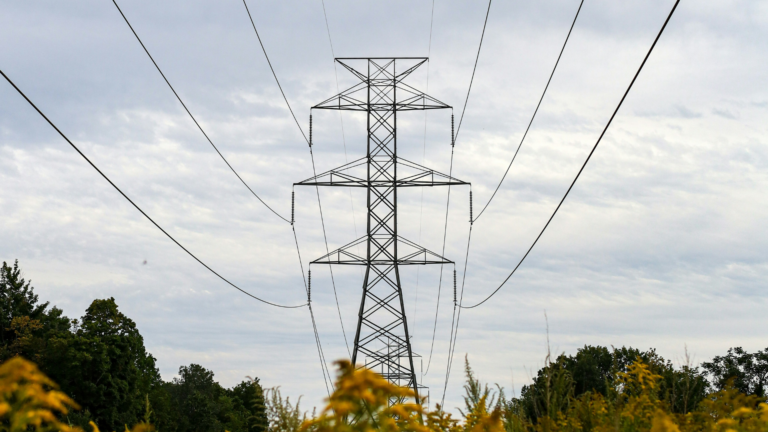
Utilities in several major markets are facing challenges related to grid capacity and interconnection timelines. New transmission infrastructure can take years to plan, permit, and construct, which can delay large data center projects.
Land availability is another growing challenge. In regions where development has been concentrated for many years, suitable land parcels close to existing infrastructure are becoming more limited. Local zoning regulations and community concerns about land use, energy consumption, and water use can also extend project timelines.
These factors are encouraging developers to consider alternative locations where infrastructure expansion may be easier and development timelines may be shorter.

As constraints grow in traditional hubs, a wider range of U.S. regions are beginning to attract data center investment. Many of these markets offer a combination of available land, supportive state policies, and access to large electricity resources.
Several regions have become particularly attractive for developers.
Texas has become one of the most active markets for new data center development. The Dallas Fort Worth region already hosts a large number of facilities, and surrounding areas continue to attract additional hyperscale investment due to the state’s large power market and business friendly regulatory environment.
The Midwest is also gaining attention. Cities such as Columbus, Ohio and markets across Indiana and Illinois offer available land and relatively stable electricity prices. These regions also provide geographic diversity for companies seeking redundancy and resilience across their infrastructure portfolios.
In the Southwest, Phoenix has emerged as one of the fastest growing data center markets in the country. The region offers available land and an expanding energy infrastructure that can support large scale facilities.
Other Southeastern markets, including Atlanta and regions across North Carolina, are also attracting interest as utilities expand generation capacity and state governments promote technology investment.
As digital infrastructure continues to scale, electricity availability is becoming one of the most important factors in data center site selection. Modern hyperscale facilities can require hundreds of megawatts of capacity, and artificial intelligence workloads are expected to increase these requirements even further.
Developers now evaluate potential locations based on several energy related criteria.
Regions that can provide large volumes of reliable power while maintaining reasonable development timelines are increasingly competitive in attracting new facilities.
The global data center industry is entering a new phase of geographic expansion. While traditional hubs such as Northern Virginia and the FLAP-D markets will remain essential parts of the digital infrastructure ecosystem, their rapid growth has created infrastructure constraints that are difficult to resolve quickly.
At the same time, emerging markets across the United States are gaining momentum as developers search for locations that can support the next generation of hyperscale and artificial intelligence infrastructure. Regions with available land, expanding power capacity, and supportive regulatory environments are becoming increasingly attractive for new projects.
Over the coming decade, the U.S. data center landscape is likely to become more geographically distributed. As electricity demand continues to grow, power infrastructure will play an increasingly important role in determining where digital infrastructure can scale.