Offshore wind has emerged as one of the few areas where cooperation between the United Kingdom and its European neighbors has intensified since Britain’s departure from the European Union. As countries around the North Sea seek to strengthen energy security and reduce exposure to geopolitical risks following Russia’s invasion of Ukraine, offshore wind has become a focal point for deeper cross border collaboration. Within this context, the United Kingdom and nine other European countries agreed on January 26, 2026 to develop an integrated offshore wind power grid in the North Sea with a total capacity of 100 gigawatts. The agreement was formalized through the Hamburg declaration at a summit in Hamburg, Germany, signaling a shared ambition to transform the North Sea into a reliable, secure, and climate friendly source of electricity for the region. The participating countries include the United Kingdom, Belgium, Denmark, France, Germany, Iceland, Ireland, Luxembourg, the Netherlands and Norway.
Strategic Cooperation Framework and Shared Goals
The Hamburg declaration establishes a shared framework for delivering 100GW of offshore wind capacity through coordinated planning and infrastructure development. The participating governments agreed to align spatial planning, streamline permitting processes, and develop interoperable grid systems across national borders. Central to the plan is the expansion of high voltage subsea cable networks that will connect offshore wind farms directly to multiple countries. This approach is designed to balance electricity supply and demand across the region, improving system flexibility and reducing curtailment risks.
This initiative is part of a broader regional ambition to reach approximately 300GW of offshore wind capacity in the North Sea by 2050. Earlier commitments under the North Seas Energy Cooperation laid the foundation for this target, but the new agreement reflects a sharper focus on delivery and shared infrastructure. By coordinating investments and technical standards, participating countries aim to reduce project costs, minimize environmental impacts, and accelerate deployment timelines. The framework also supports closer regulatory alignment, which is increasingly important as offshore wind projects grow in size and complexity.
Scale, Technology, and Infrastructure Requirements
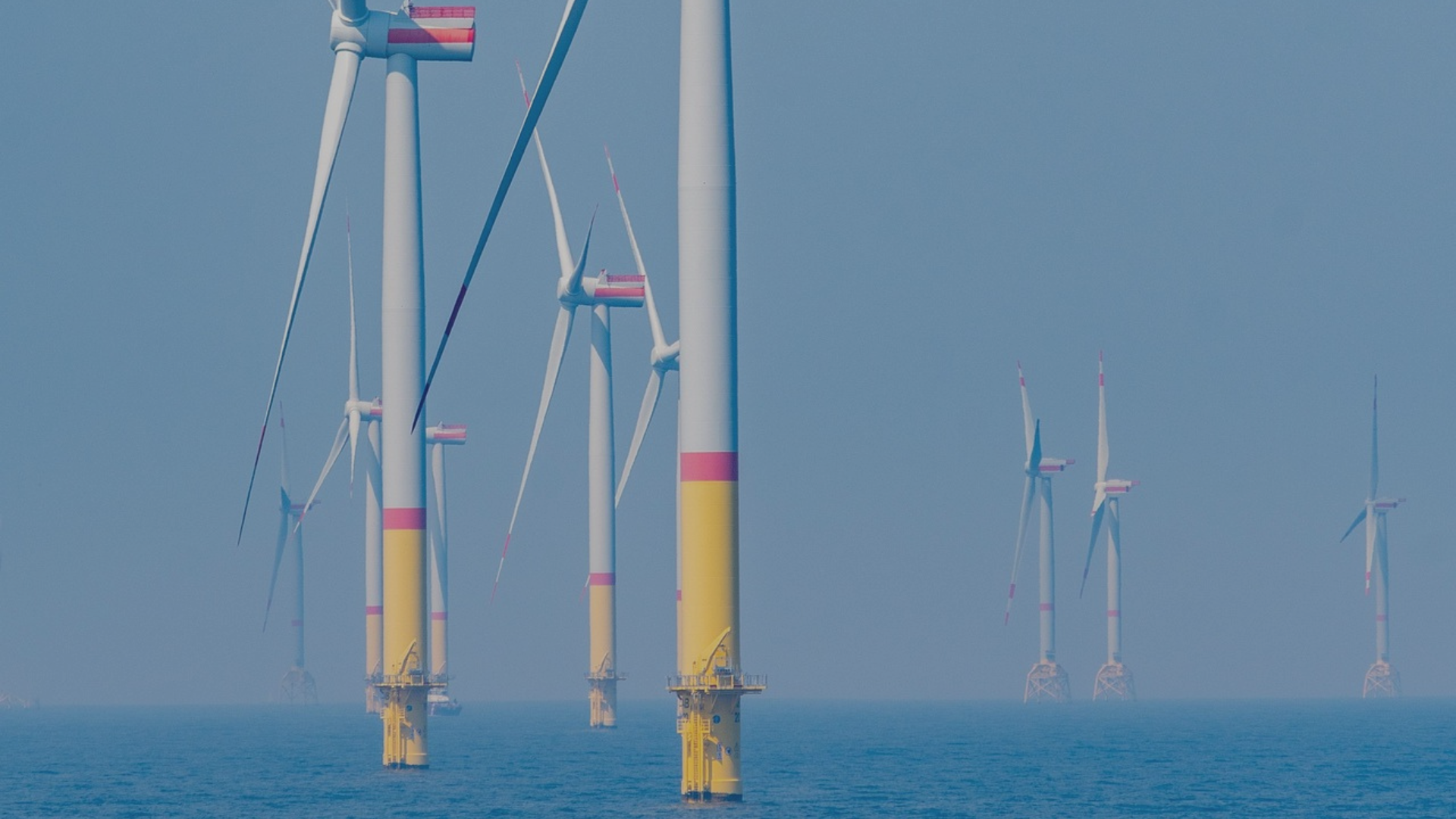
A 100GW offshore wind grid represents a major expansion of Europe’s renewable generation capacity. At typical offshore wind capacity factors, this level of generation could supply electricity for more than 100 million households annually. The North Sea offers some of the most favorable wind conditions in the world, with shallow waters that are well suited for fixed bottom turbines and growing potential for floating wind technology in deeper areas.
Delivering this scale of capacity will require substantial investment in turbines, foundations, substations, and grid connections. Large scale wind farms already operating or under construction in the North Sea demonstrate technical feasibility, but the next phase will involve larger turbines, higher voltage transmission systems, and increasingly digitalized grid management. Interconnected offshore hubs are expected to play a key role, allowing multiple wind farms to connect to shared infrastructure rather than relying on single point national connections. This system level approach is intended to improve efficiency and reduce overall system costs.
Economic, Energy Security, and Policy Implications
The offshore wind grid initiative has significant economic implications for the participating countries. Large scale deployment is expected to support industrial activity across the supply chain, including turbine manufacturing, port infrastructure, vessel construction, and operations and maintenance services. Governments view offshore wind as a strategic industry that can support long term employment and regional development, particularly in coastal and former fossil fuel dependent regions.
From an energy security perspective, the agreement reflects lessons learned from recent volatility in global energy markets. Increasing domestic renewable generation reduces exposure to imported fossil fuels and international price shocks. A shared offshore grid further enhances resilience by enabling countries to share surplus power during periods of high wind and import electricity when local generation is lower. Policy makers have emphasized that cooperation on offshore wind strengthens both affordability and security, while supporting long term climate objectives through emissions reduction.
Conclusion
The agreement to develop a 100GW offshore wind power grid in the North Sea marks a major milestone in European energy cooperation. By committing to shared infrastructure, coordinated planning, and large scale renewable deployment, the United Kingdom and its partners are reshaping the role of the North Sea in Europe’s energy system. The initiative demonstrates how regional collaboration can accelerate decarbonization while enhancing energy security and economic competitiveness. As implementation progresses, the project is likely to serve as a model for cross border renewable energy development in other regions of the world.