
Big Tech Is Managing Water Like Energy
Expert Advice
Apr 7, 2026





Published February 2, 2026
 By NZero
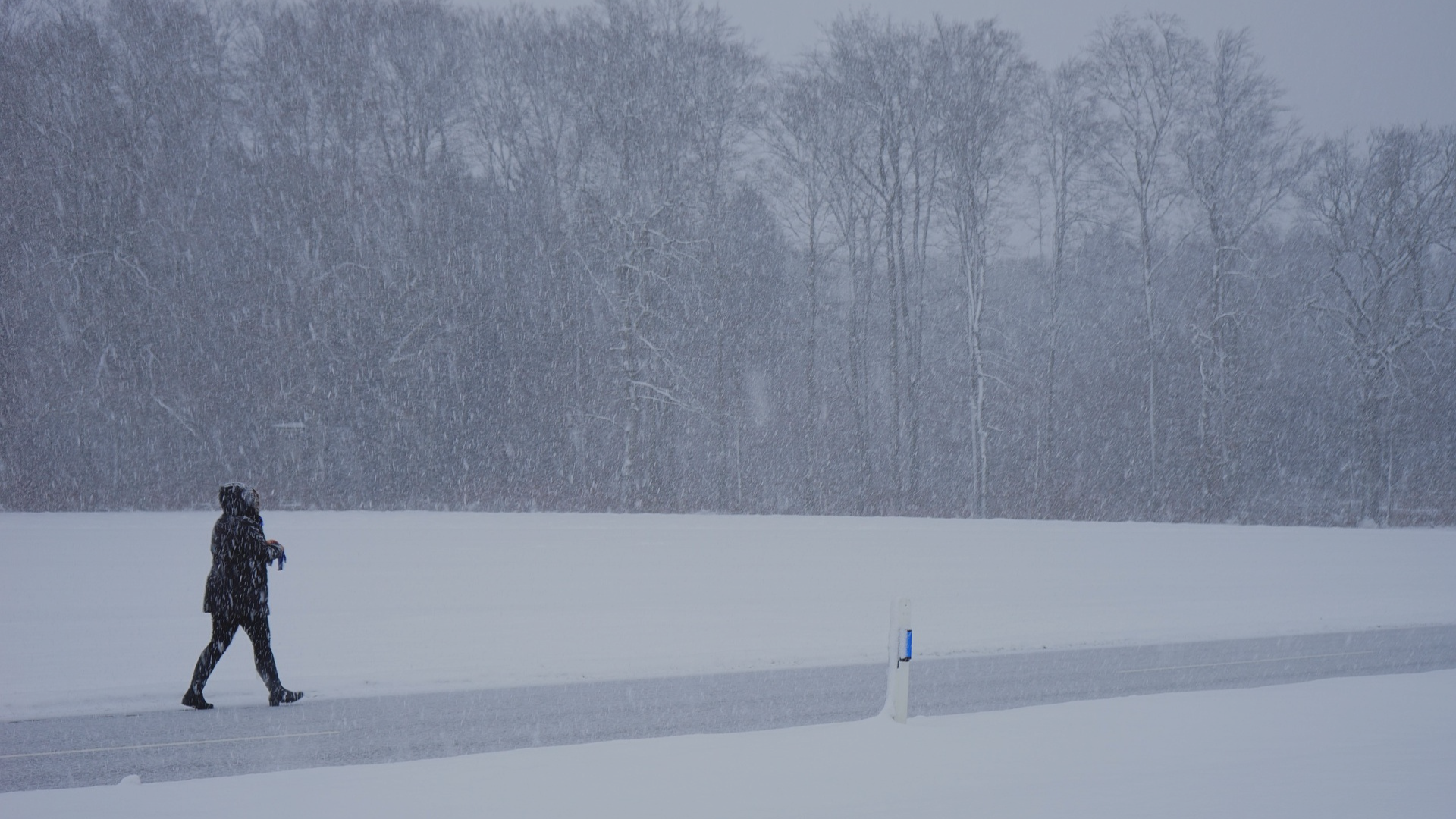
Winter Storm Fern has placed renewed stress on the US power system, pushing electricity demand sharply higher as prolonged cold temperatures spread across large parts of the country. During the storm, coal-fired power generation increased significantly, rising 31% as utilities turned to dispatchable resources to maintain grid reliability. The event offers a timely case study in how the US energy mix responds under extreme winter conditions, highlighting both the resilience and the structural tensions within the current power system.
Winter Storm Fern delivered sustained below-normal temperatures across multiple regions, driving heating demand higher for households, businesses, and industrial facilities. Cold weather events typically create some of the most challenging operating conditions for the power grid, as electricity demand rises sharply at the same time fuel supply chains and generation assets face operational constraints. During Fern, grid operators contended with peak load conditions that required rapid adjustments in generation dispatch to avoid outages.
Extreme cold can affect nearly every part of the electricity system. Natural gas supply networks may become constrained as heating demand competes with power generation for fuel. Renewable output can fluctuate due to weather conditions, while power plants across fuel types face mechanical and weather-related risks. In this context, system operators prioritize resources that can deliver consistent output over extended periods. Fern followed a familiar pattern seen in previous winter storms, where fuel availability and operational reliability became decisive factors in shaping the generation mix.

Data from the US Energy Information Administration show that coal-fired electricity generation rose by 31% during Winter Storm Fern compared with typical winter levels. This increase reflects coal’s continued role as a dispatchable resource during periods of extreme demand. Coal plants generally maintain on-site fuel inventories, allowing them to operate even when transportation networks or gas pipelines are disrupted by severe weather.
During the storm, coal units were called upon to run at higher capacity factors, particularly during peak demand hours. In several regions, coal generation helped offset reduced availability from other sources and supported grid stability when system margins tightened. The increase did not represent a structural shift in long-term generation trends, but rather a short-term operational response to extraordinary conditions.
Key factors behind the coal generation increase included:
Winter Storm Fern exposed how the US power mix adapts under stress. While natural gas remains the largest source of electricity generation nationally, gas-fired plants can face supply and price volatility during extreme cold. Pipeline constraints and competing demand from residential and commercial heating can limit gas availability for power generation at critical moments.
Renewable generation showed mixed performance during the storm. Wind output varied by region, depending on local weather conditions, while solar generation was limited by shorter daylight hours and snow cover in some areas. Nuclear generation generally remained stable, continuing to provide baseload power throughout the event.
The resulting shift toward coal during Fern underscores the importance of fuel diversity in maintaining reliability. It also highlights a central challenge for the US energy transition. As coal capacity continues to decline over the long term, the system must ensure that alternative resources and infrastructure are capable of delivering the same level of reliability during extreme events.
The 31% jump in US coal generation during Winter Storm Fern illustrates how the power system responds when extreme cold drives demand to critical levels. Coal’s increased role during the storm was not a reversal of broader decarbonization trends, but a reflection of the operational realities utilities face during periods of acute stress. Events like Fern are becoming an important reference point for discussions around grid resilience, fuel security, and planning for extreme weather.
As climate volatility increases the frequency and severity of winter storms, utilities and policymakers are likely to place greater emphasis on system flexibility, accurate demand forecasting, and fuel supply coordination. Winter Storm Fern serves as a reminder that reliability remains a foundational requirement of the energy system, even as the US continues to pursue long-term emissions reduction goals.