
Tariffs on Grid Equipment Are Already Reshaping Energy Strategy
Policy Hub
Apr 6, 2026





Published December 8, 2025
 By NZero
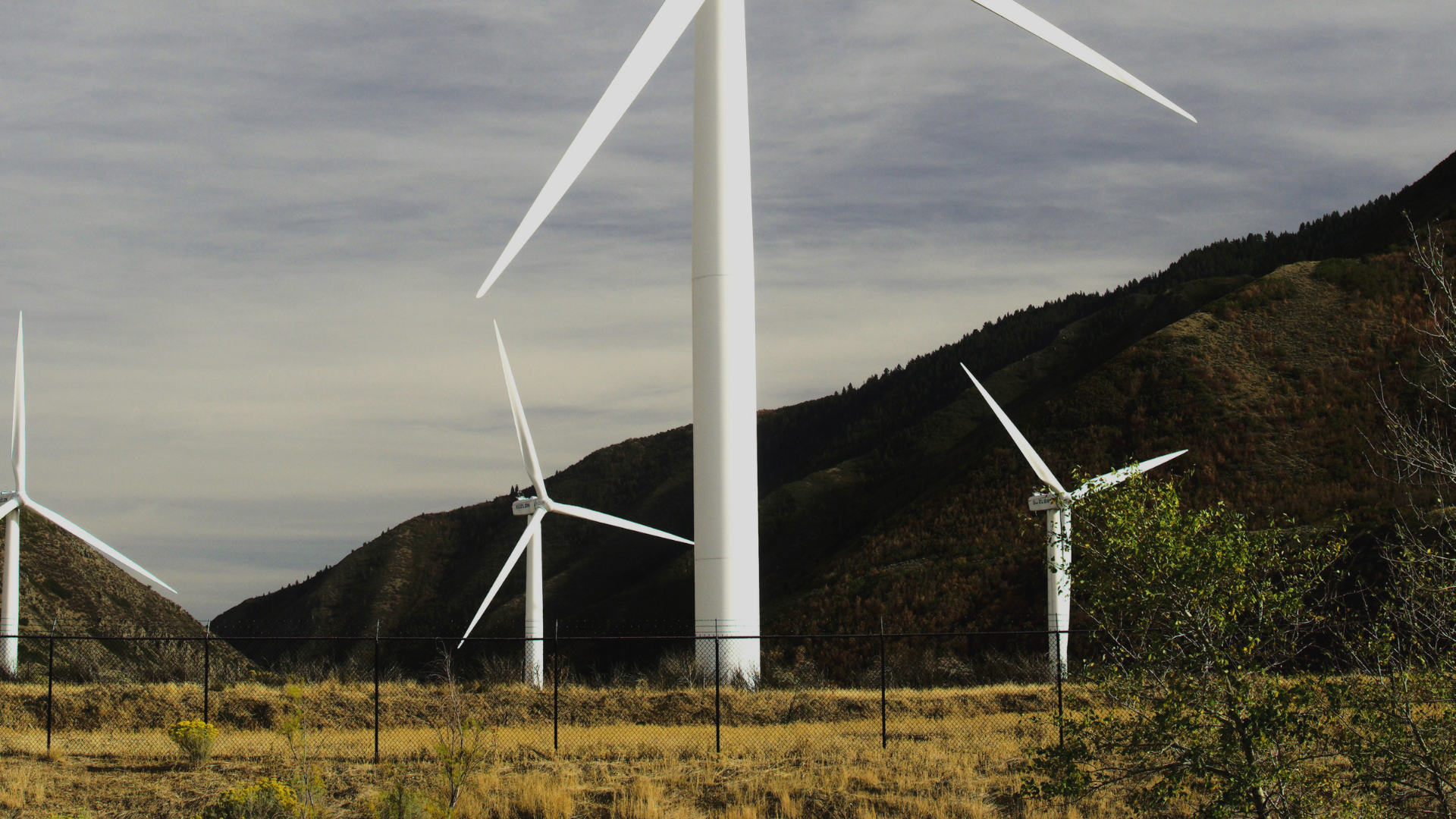
The recent decision by the United States government to rename the National Renewable Energy Laboratory to the National Laboratory of the Rockies marks a significant moment in federal energy policy. Although the change is explained as an update to reflect a broader research mission, the timing and context suggest a shift in national priorities that many industry observers and researchers are watching closely. The renaming has generated debate because of the laboratory’s long history as a central hub for renewable energy research and development. Concerns are emerging about whether this change may slow progress in innovation that supports building decarbonization, clean power technologies, and advanced energy systems.
For decades the National Renewable Energy Laboratory served as a leading research institution dedicated to solar, wind, bioenergy, hydrogen, energy storage, and high efficiency building technologies. Established originally as the Solar Energy Research Institute in 1977 and later expanded to become NREL in 1991, the lab played a key role in advancing renewable energy technologies from early stage concepts to commercially viable solutions. Its research contributed to cost declines in solar photovoltaic systems, improvements in wind turbine performance, breakthroughs in biofuels, and innovations in building energy models that shaped modern efficiency standards.
The laboratory also acted as a bridge between public and private sectors. Partnerships with manufacturers, utilities, technology developers, and global research institutions positioned the United States as a leader in clean energy innovation. The lab’s campus in Colorado became symbolic of US commitment to renewable energy development and decarbonization. Against this history, the renaming raises questions about the extent to which the federal government intends to maintain that long standing focus.

The Department of Energy announced that the laboratory would be renamed the National Laboratory of the Rockies. The official explanation highlighted a desire to reflect a wider applied energy mission that spans multiple types of energy research. While this framing suggests continuity, the policy environment provides important context. The current administration has increased support for fossil fuel production, adjusted environmental regulations, and narrowed the scope of several federal renewable energy initiatives.
This broader shift is why some stakeholders interpret the renaming as more than a branding update. A laboratory that previously carried the word Renewable in its title communicated a clear national intention. Removing that term introduces ambiguity about long term priorities, which can affect how industry and research communities plan for future investments.
Supporters of the change argue that the new name will allow the laboratory to expand research across a wider set of energy domains. They emphasize flexibility and the importance of addressing challenges that extend beyond renewable technology. These groups believe the rebranding may help align research portfolios with evolving national energy demands.
Critics take the opposite view. Renewable energy advocates, some state level leaders, and a portion of the scientific community worry that the decision signals reduced emphasis on clean energy development. They point to uncertainty around future funding allocations, the potential redirection of research resources, and diminished confidence among private sector partners. Many have noted that research related to building decarbonization and energy efficiency often relies on long term federal support. Any perception of reduced commitment can slow progress or discourage investment.
A shift in national energy research priorities could influence the pace at which renewable energy technologies continue to mature. Research into advanced solar materials, next generation wind systems, green hydrogen, and long duration storage requires consistent support. If priorities change, companies that rely on federal laboratories for testing, modeling, or prototyping could face delays or reduced collaboration opportunities.
The building sector is particularly sensitive to changes in federal research direction. High performance building technologies, grid interactive efficient buildings, and large scale retrofit strategies depend on research institutions that specialize in energy modeling and systems integration. If the newly named laboratory reduces its emphasis on these areas, adoption of efficient building technologies across the United States may slow.
Uncertainty itself poses risks. Investors and technology developers often rely on policy consistency when making decisions about long term projects. A shift in the identity of a major national lab can create hesitation within markets that are already navigating technology costs, regulatory changes, and supply chain challenges.

Several areas warrant continued observation. Future budget allocations will signal whether renewable energy research remains a central priority. Stakeholders will also watch for changes in the laboratory’s project portfolio, staffing, and partnerships. Industry collaboration patterns may shift if companies perceive reduced emphasis on clean technology development.
Another area to monitor is how other national laboratories respond. If additional labs diversify or adjust their research missions, the overall distribution of federal clean energy research could change. This could influence both regional innovation ecosystems and national progress toward energy system modernization.
The renaming of the National Renewable Energy Laboratory to the National Laboratory of the Rockies represents more than an administrative update. It arrives at a time when energy policy in the United States is evolving, and it has implications for the future of clean technology development. Whether this change ultimately reshapes the direction of federal energy research will depend on forthcoming decisions about funding, project priorities, and industry engagement. Many stakeholders remain attentive because the outcomes will influence not only national energy innovation but also the pace of decarbonization in buildings, transportation, and infrastructure.