What Cheaper Battery Storage Means for Facility Energy Costs
Global Perspectives
Oct 13, 2026





Published May 28, 2026
 By NZero

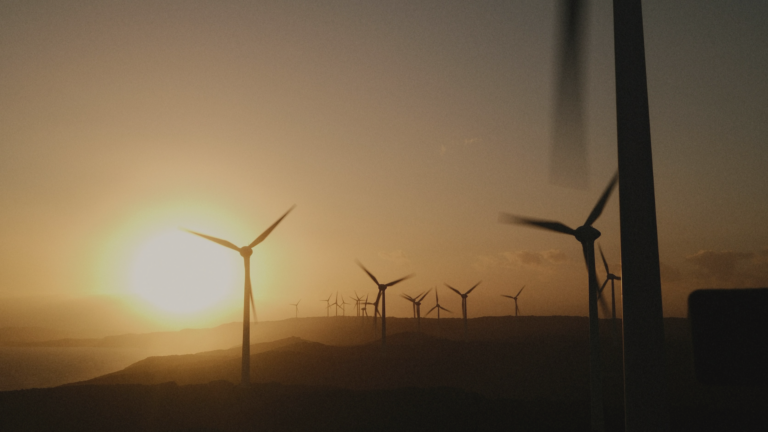
The U.S. power grid is entering summer 2026 with significantly more generating capacity than it had a year ago. According to recent updates discussed by the Federal Energy Regulatory Commission (FERC), total summer generating capacity has increased by roughly 75 gigawatts year over year, reflecting one of the fastest periods of electricity infrastructure growth in recent history. Much of this expansion is coming from solar, battery storage, and wind projects being added across multiple regional power markets.
This buildout reflects a broader shift in energy strategy across the utility sector. Reliability planning is increasingly centered around flexibility, storage integration, and the ability to manage changing demand patterns in real time.
FERC’s latest summer reliability outlook highlights how quickly electricity infrastructure is growing across the country. The addition of approximately 75 gigawatts of generating capacity over the past year represents a substantial increase in available resources ahead of the summer peak demand season. Solar projects account for the largest share of these additions, followed by battery storage systems and new wind capacity.
The pace of expansion reflects the growing urgency utilities face as electricity demand forecasts continue to rise. Several large regional transmission organizations have projected higher summer peak demand levels in 2026 compared to previous years. This growth is being driven by multiple long term trends, including the expansion of AI and cloud computing infrastructure, manufacturing growth tied to reshoring initiatives, and increased electrification in transportation and buildings. Utilities are also responding to heightened reliability concerns following several years of extreme weather events. Heatwaves across parts of the United States have placed stress on regional power systems during periods of high air conditioning demand. In response, utilities and grid operators are prioritizing additional capacity to improve reserve margins and reduce the risk of shortages during peak demand periods.
Many of the new projects entering service are being developed on shorter timelines than traditional fossil fuel generation facilities. Utility scale solar farms and battery installations can often be deployed more quickly than large conventional power plants, allowing utilities to add capacity faster as demand forecasts evolve.
One of the most important trends emerging from the current wave of capacity additions is the rapid expansion of battery storage. Utilities are increasingly treating battery systems as critical reliability infrastructure that can help stabilize the grid during periods of high demand and variable renewable generation.
Battery storage deployment has accelerated alongside the growth of solar power. In many regions, developers are pairing large battery systems with solar projects to improve reliability and better align electricity supply with demand patterns. Batteries can store excess solar generation during the middle of the day and discharge electricity during the evening hours when demand remains elevated but solar output declines.
This operational flexibility is becoming increasingly valuable during summer heat events. Utilities often experience the highest stress on the grid during late afternoon and evening hours when air conditioning demand remains high. Battery storage systems can help manage these peaks without relying entirely on traditional peaker plants. Storage systems are also helping utilities improve grid resilience during unexpected disruptions. Batteries can respond quickly to fluctuations in supply and demand, helping stabilize frequency and support reliability during periods of system stress.

The rapid expansion of renewable generation and storage is contributing to a broader transformation in how utilities approach grid management. Traditional electricity systems were largely built around centralized generation facilities operating under relatively predictable demand patterns. Today’s energy environment is becoming more decentralized, digital, and dynamic.
Utilities are increasingly investing in technologies and operational strategies that improve flexibility across the power system. Demand response programs, smart grid infrastructure, advanced forecasting tools, and distributed energy resources are all becoming more important components of reliability planning.
Grid operators are also adapting to a generation mix that includes larger shares of variable renewable resources. Solar and wind output can fluctuate based on weather conditions, making real time system balancing more complex. Utilities are therefore placing greater emphasis on operational visibility and forecasting accuracy to maintain reliability.
Digital monitoring systems are playing a growing role in this transition. Utilities are using advanced analytics and real time operational data to better understand electricity demand patterns and optimize resource deployment.
Demand flexibility is another area receiving increased attention. Utilities are encouraging commercial and industrial customers to reduce or shift electricity consumption during periods of peak demand. These programs can help reduce system stress while minimizing the need for additional generation capacity.
Despite the substantial increase in generating capacity, utilities and grid operators continue to face significant reliability challenges. Rapid infrastructure growth alone does not fully resolve the operational and structural issues affecting many regional electricity markets.
Transmission constraints remain one of the largest barriers to improving grid reliability. In many cases, new renewable generation projects are being developed faster than transmission infrastructure can be expanded. This creates congestion risks and can limit the ability to move electricity efficiently between regions.
Interconnection delays also continue to slow project deployment across several markets. Thousands of renewable and storage projects remain in interconnection queues awaiting approval and infrastructure upgrades before they can connect to the grid.
Extreme weather events continue to pose major operational risks as well. Heatwaves, storms, droughts, and wildfires can all disrupt electricity systems and strain infrastructure during critical periods.
There are also growing concerns around long term electricity demand forecasts. The expansion of AI infrastructure and data centers has introduced new uncertainty into utility planning models. These factors highlight why grid modernization involves more than simply adding generation capacity.
The sharp increase in U.S. generating capacity ahead of summer 2026 reflects a major shift underway across the utility sector. At the same time, utilities are adapting to a more complex operating environment driven by electrification, data center growth, and changing weather patterns. Reliability planning is increasingly centered around flexibility, storage integration, digital monitoring, and the ability to manage dynamic demand conditions.
The current wave of infrastructure investment suggests that the energy transition is entering a more operational phase. Utilities are not only expanding capacity but also redesigning how the grid functions under increasingly variable conditions. As electricity demand continues to evolve, grid flexibility and resilience will likely remain central priorities across the industry over the coming years.