

BREEAM: One of the World’s Most Widely Used Green Building Standards
Expert Advice
Mar 6, 2026





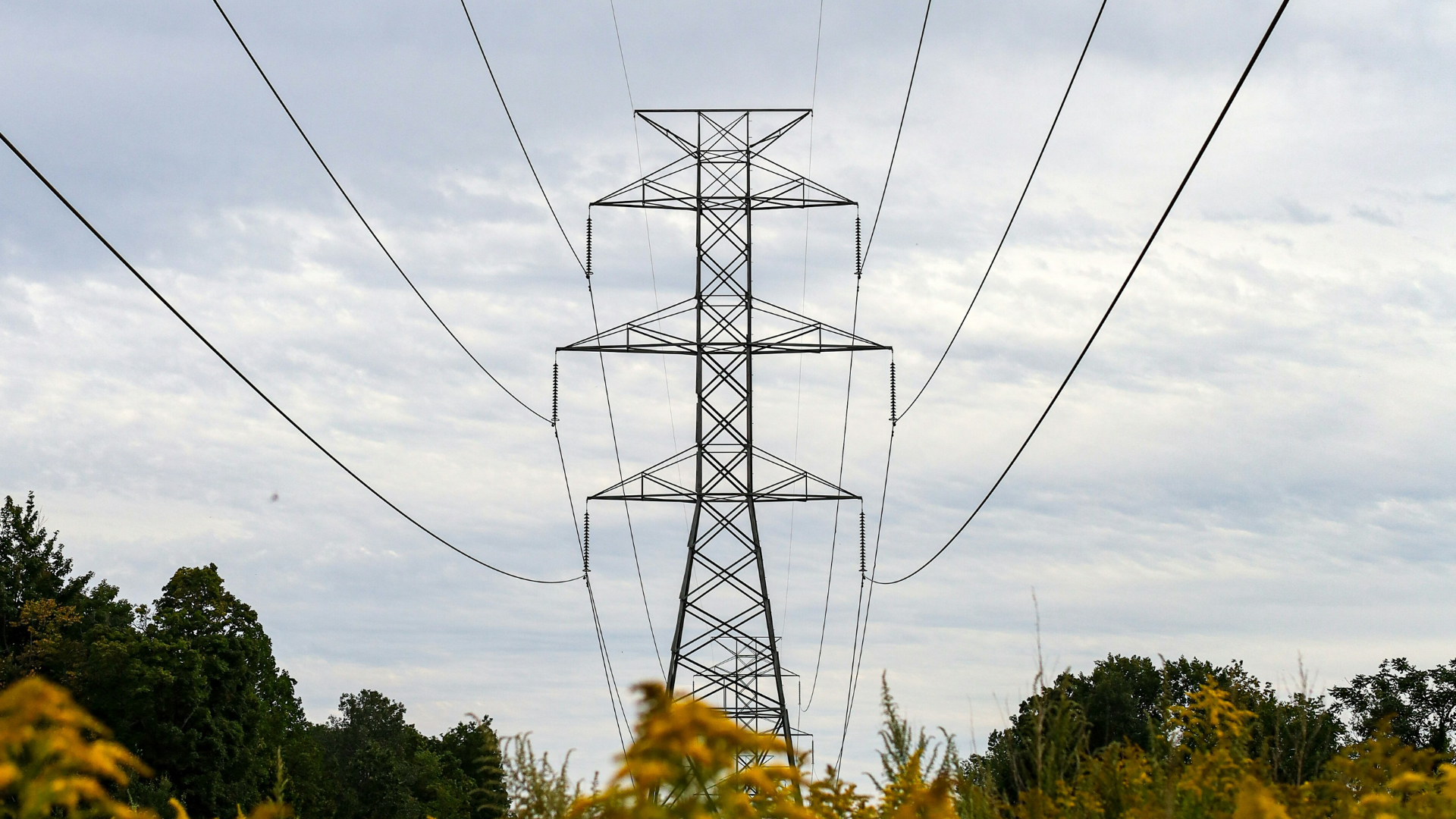
Electricity powers modern economies, from households and hospitals to advanced manufacturing plants and hyperscale data centers. Behind every monthly electricity bill is a regulatory framework that determines how costs are calculated and how infrastructure investments are recovered. That framework is the utility tariff. Electricity costs can represent one of the largest controllable operating expenses for energy intensive businesses, and tariff structure often determines whether those costs are predictable or volatile. As electricity demand rises due to electrification and digital infrastructure growth, understanding utility tariffs has become increasingly important for businesses that rely on large and reliable power supplies.
A utility tariff is an official document filed by an electric utility with its regulator, typically a state public utility commission. The tariff defines the rates, rules, and conditions under which electricity service is provided. Once approved, it carries legal authority and applies to customers within a specific class.
While the terms tariff and rate are often used interchangeably, a rate refers to the price per unit of electricity, while a tariff encompasses the full pricing structure, classifications, rules, and billing methodology under which those rates are applied.
Tariffs are central to the regulated utility model. In many regions, utilities operate as regulated monopolies within defined service territories. In exchange, they must provide reliable service at rates that regulators determine to be just and reasonable. The tariff specifies how the utility can recover operating costs, infrastructure investments, and an approved rate of return.
Each tariff applies to a defined customer category such as residential, commercial, industrial, or transmission level service. Within each category, the tariff outlines how charges are calculated and how monthly bills are structured.
Most utility tariffs include several foundational elements that determine how total electricity costs are calculated.
In practice, the interaction between these components can significantly affect total cost. A facility with moderate total energy consumption but a short duration usage spike may face disproportionately high demand charges. Understanding the formula behind each component is therefore essential for accurate cost forecasting.
Large energy users such as advanced manufacturing facilities and AI driven data centers operate at a different scale than typical commercial customers. A single hyperscale data center campus can require hundreds of megawatts of capacity, comparable to the electricity demand of a mid sized city.
Because of this scale, demand charges often represent a substantial portion of total electricity costs. Utilities must build and maintain generation, transmission, and distribution assets capable of meeting peak load requirements. If a large facility creates sharp spikes in usage, the grid must be sized accordingly.
To manage financial risk, utilities may implement specialized large load tariffs. These can include minimum usage requirements, longer contract terms, credit assurances, upfront capital contributions for grid upgrades, take or pay provisions, and ratchet mechanisms that lock in peak demand levels. Such structures are designed to ensure cost recovery if projected demand fluctuates.
For data centers in particular, understanding how peak demand is measured, whether ratchet provisions apply, how time differentiated pricing works, and whether transmission level service classifications are available can significantly affect long term operating expenses.
For businesses, utility tariffs directly influence operating costs, capital planning, and site selection decisions. Companies evaluating new facilities often compare tariff structures across jurisdictions to assess long term energy expenses.
Businesses evaluating tariff exposure should assess:
Demand management strategies can reduce exposure to high peak charges. Load forecasting accuracy can influence infrastructure requirements and contract negotiations. Time of use pricing can create opportunities to shift flexible operations to lower cost periods.
At the strategic level, tariff design shapes investment signals. High demand charges may encourage efficiency improvements or on site energy management solutions. Transparent energy data and centralized monitoring systems can help organizations identify billing drivers and optimize consumption patterns within the tariff framework.
A utility tariff is the regulatory and financial structure that governs how electricity service is priced and delivered. It defines how infrastructure costs are recovered, how risk is allocated among customers, and how usage patterns translate into monthly bills. As electricity demand grows and large scale facilities expand, tariff structures will continue to influence grid investment decisions and corporate energy strategies. For organizations that depend on reliable power, understanding utility tariffs is a strategic requirement for managing long term energy cost and risk.