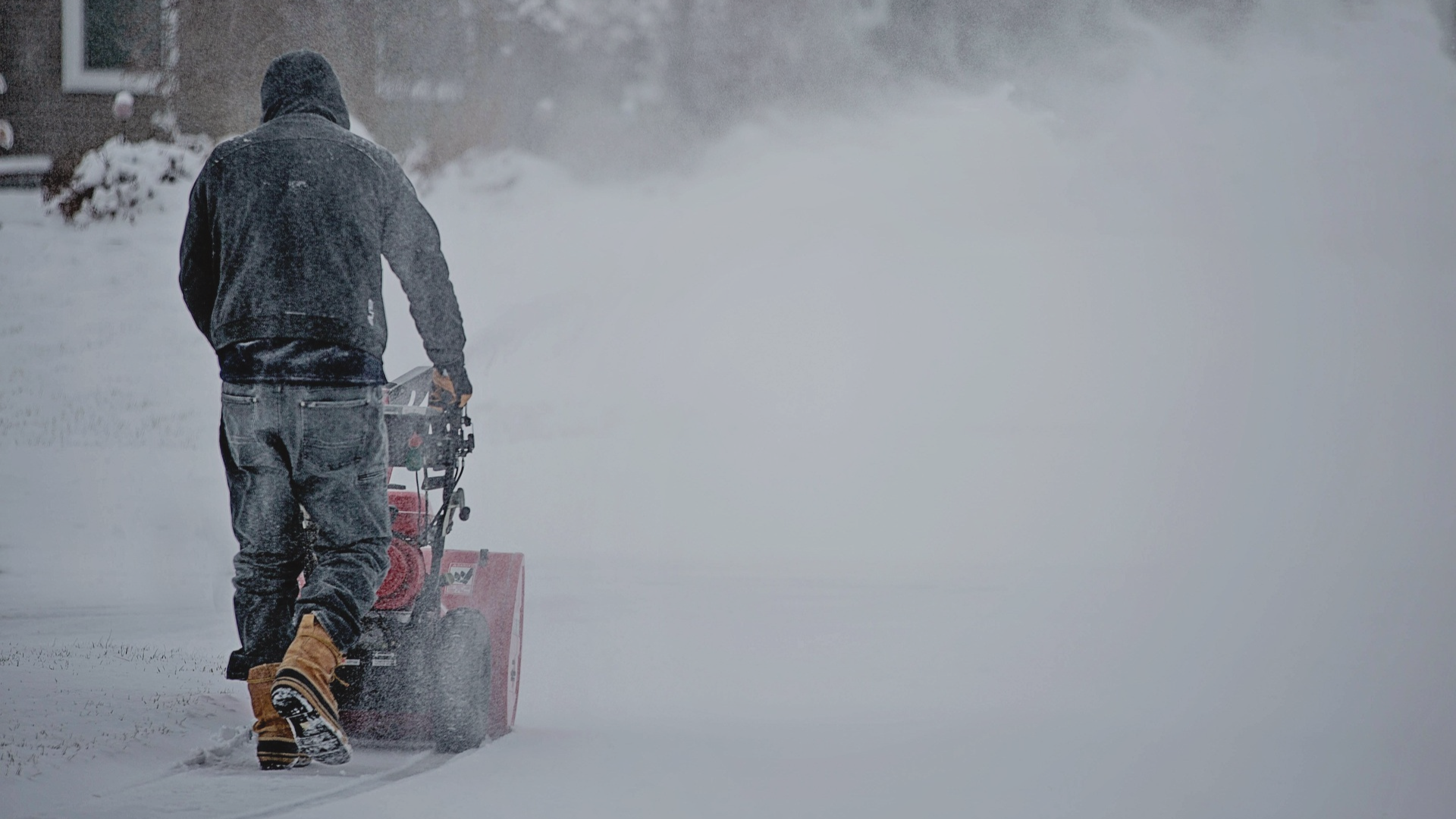
The United States is experiencing a major winter storm in January 2026 that places significant strain on the electric power system. Heavy snowfall, freezing rain, and sustained cold temperatures are affecting large portions of the country, from the Ohio Valley through the Southeast and into the Northeast. During the event, utilities report widespread outages and grid operators manage some of the most challenging winter conditions in years. More than 847,000 customers are reported without electricity at the peak of the storm, and federal disaster declarations are issued across multiple states to support restoration efforts.
Demand surges during extreme cold
Severe winter weather drives electricity demand sharply higher in a short period of time. Heating systems operate continuously to maintain indoor temperatures, and electric resistance heating and heat pumps draw additional power as temperatures drop further. Commercial buildings often remain heated even when occupancy is reduced, while lighting loads increase because of shorter daylight hours and safety requirements during storms.
These demand increases occur across wide geographic areas at the same time, creating regional peaks that are more difficult for utilities to forecast and manage than normal daily fluctuations. Grid operators in several regions report elevated winter peak demand as cold air settles in and persists. In the Mid‑Atlantic and Midwest, demand growth is occurring during hours when generation assets are least efficient, adding further pressure to system operations.
Generation and fuel supply constraints
Extreme cold weather also affects electricity supply. Natural gas systems face tight conditions as fuel is diverted toward residential heating, reducing availability for power plants. Freezing temperatures can lower pipeline pressure and disrupt fuel delivery. Some power plants experience mechanical challenges caused by ice and cold, while wind generation may decline due to icing or safety‑related shutdowns.
During the January 2026 storm, operators report that a meaningful portion of generation capacity is unavailable due to fuel constraints and weather‑related outages. These conditions are forcing grid operators to rely on older and less efficient thermal units and to activate emergency operating procedures. Wholesale power prices have increased in several regions as available supply tightens and demand remains high.
Transmission and distribution infrastructure under stress
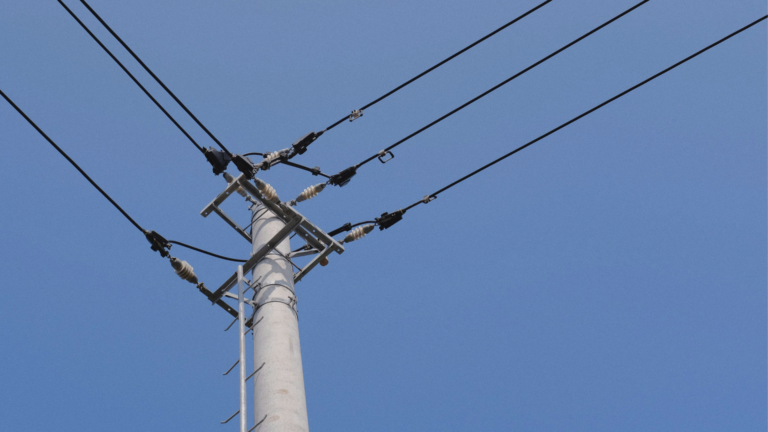
Snow and ice place direct physical stress on transmission and distribution networks. Ice accumulation adds weight to power lines, increasing the risk of sagging or breakage. Trees and branches weighed down by snow and ice can come into contact with lines, causing faults and outages. Substations and other exposed equipment are also vulnerable to freezing rain and heavy snow.
Most customer outages during winter storms occur at the distribution level, where infrastructure is more exposed and repairs are complicated by hazardous travel conditions. The storm causes extensive distribution damage across multiple states, contributing to hundreds of thousands of outages and lengthening restoration timelines as crews work through difficult weather.
Emergency grid operations and utility response
As conditions worsen, utilities and grid operators shift into emergency operating modes typical of severe winter events. These actions can include postponing planned maintenance to preserve available capacity, dispatching emergency generation resources, and issuing requests for load reductions from large customers. Federal disaster declarations are enabling additional coordination and resource deployment to support restoration.
Mutual aid remains a critical component of the response. Utilities in less affected areas are sending crews and equipment to regions experiencing heavier damage. This sharing of resources allows restoration work to continue around the clock, even as local utilities face staffing and access challenges due to the storm.
Implications for commercial and industrial energy users
Commercial and industrial facilities are significant contributors to regional electricity demand during winter storms. Many of these facilities operate large HVAC systems, lighting loads, and process equipment that can influence peak demand conditions. During extreme weather, outages and power quality issues can disrupt operations and increase costs.
Facilities with real‑time energy visibility, flexible load strategies, and backup power are better positioned to respond to grid stress and recover from outages. The event reinforces the value of preparedness measures such as load prioritization, demand response participation, and coordinated energy management across portfolios of buildings.
Conclusion
The January 2026 snowstorm demonstrates how winter weather can strain the U.S. electric grid by simultaneously driving up demand, constraining supply, and damaging infrastructure. While the grid continues to operate under challenging conditions, the scale of outages and the need for emergency measures highlight ongoing vulnerabilities. The event underscores the importance of grid resilience, flexible demand, and proactive energy management for both utilities and large electricity users.