Challenge ・Difficulty prioritizing energy reduction initiatives due to insufficient quantitative data. ・Heavy operational workload caused by time-consuming data organization and reporting.
Solution ・NZero, an AI-powered energy management cloud platform.
Impact ・Data-driven prioritization of equipment upgrades and energy reduction initiatives. ・Reduced operational workload through streamlined data collection and reporting.
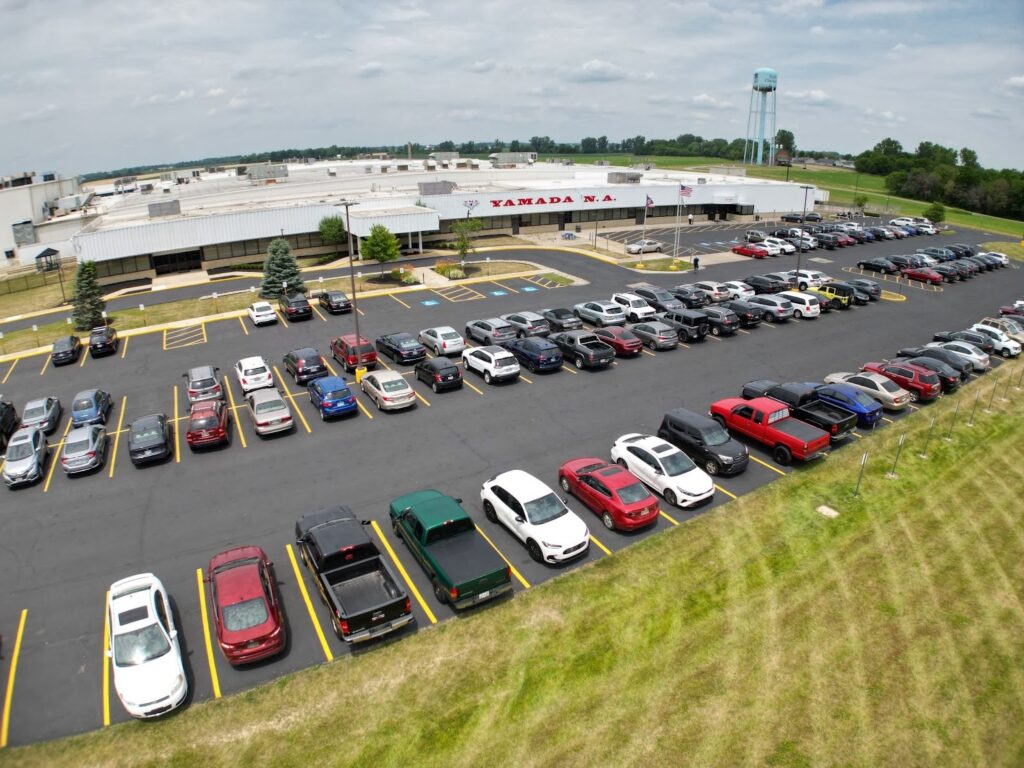
About Yamada North America
・Business Overview
Yamada North America serves as the North American manufacturing hub of the Yamada Manufacturing Group, supplying fully assembled automotive components to major OEMs. Its primary customers include Honda’s automotive manufacturing facilities across North America and Subaru Indiana Automotive.
・Products and Operations
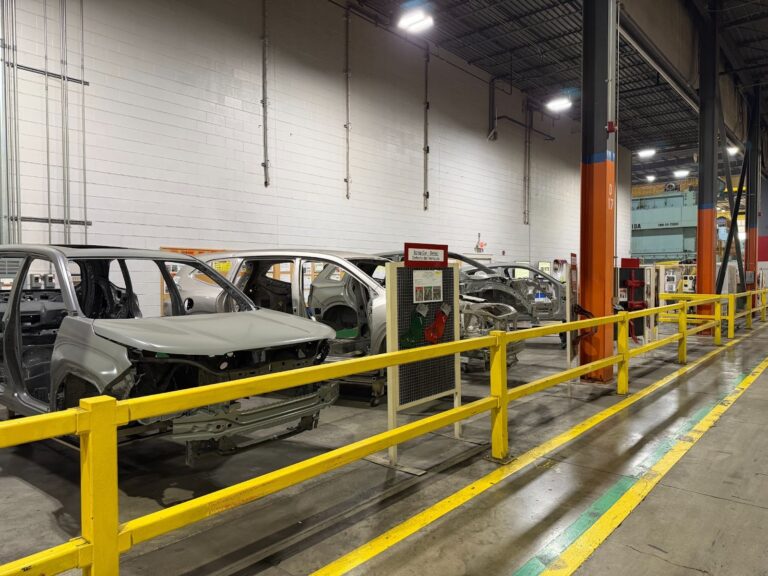
The company manufactures core automotive components related to engines, vehicle propulsion, and steering systems. It also assembles cooling components for electric (EVs) and hybrid vehicles, supporting the industry’s transition toward electrification.
・Strengths
Yamada North America operates an integrated production system that covers aluminum-based and steel component manufacturing, machining, and assembly within a single facility. By consolidating all processes in-house, the company minimizes quality variation and maintains a stable and reliable supply for steering and drivetrain systems.
Responding to Customer Requirements: GHG Reduction and Energy Management as a Strategic Priority
Since 2010, Yamada North America has continuously worked to reduce its environmental impact and GHG emissions in line with the Yamada Manufacturing Group’s corporate vision. Establishing incremental targets and addressing sustainability from a long-term perspective are positioned as group-wide priorities.
In 2018, Honda began requesting suppliers to report on their greenhouse gas reduction initiatives and performance. This development further clarified the need for the company to continuously monitor its GHG emissions and advance reduction efforts, including working toward interim targets on the path to net-zero emissions by 2050.
Their manufacturing facility is located in a small, rural community, where the company is the largest employer. In addition to supporting local employment through its business operations, the company places strong importance on demonstrating environmental responsibility and serving as a positive example within the community.
However, at the same time, several challenges emerged in translating these sustainability goals into concrete action. First, GHG reduction initiatives including the installation of solar panels, often require long investment payback periods, making it difficult to secure funding. While certain tax credits and incentives remain available through 2025, federal solar-related incentives are scheduled to expire in 2026, creating uncertainty around future policy support. As a result, they faced increasing pressure to make careful decisions about which initiatives to prioritize within a limited capital budget.
In addition, advancing these efforts requires the understanding and engagement of individual employees. Establishing a solid foundation for organizing information and clearly communicating the purpose and impact of sustainability initiatives was recognized as an important consideration.
Prior to implementing NZero, Yamada North America evaluated energy usage and improvement opportunities with support from an external energy consultant. During this process, they were introduced to NZero through their Vice President. After reviewing NZero’s AI-driven data collection and reporting capabilities, as well as the quality of insights provided, the company recognized NZero as a potential tool to support its ongoing sustainability initiatives.
From the early stages of implementation, they valued the structured reporting and data collection processes, along with the availability of reports that clearly illustrate energy usage trends. The ability to receive professional support through NZero for analyzing energy consumption patterns and identifying improvement opportunities further supported the decision to move forward. In addition, leveraging NZero as a starting point led to proposals for high-efficiency, cost-effective HVAC equipment from Daikin, which was also viewed as a valuable input for future planning.
Turning Energy Data into Insight for Better Investment Decisions with NZero
After implementing NZero, they established an environment that enables continuous monitoring of electricity and natural gas consumption on a monthly basis as well as year over year. In particular, through reports covering Scope 1 and Scope 2 emissions, they are now able to regularly track trends in energy usage and associated costs. This allows them to review energy consumption patterns in a consistent, quantitative format over time, representing a measurable outcome of the implementation.
The workload for personnel responsible for energy management has also been reduced. At their company, energy management and GHG reduction initiatives are handled alongside other responsibilities, making improvements in operational efficiency especially valuable. In addition, they have gained access to insights and improvement opportunities that they may not have identified on their own.
At the same time, not all proposed improvement measures can be implemented immediately. Some initiatives are constrained by contractual structures in which reduced energy demand does not directly translate into cost savings, as well as by limitations related to existing equipment configurations. Even so, having access to data and insights that support the evaluation of potential measures under these constraints represents a meaningful change for them.
These outcomes are also beginning to influence their decision-making. With quantitative visibility into GHG emissions and energy usage, they now place greater emphasis on energy efficiency when evaluating equipment upgrades and new capital investments. Their current energy reduction initiatives are being considered based on recommendations from an ASHRAE Level 2 audit, in which energy usage across facilities and buildings is analyzed in detail and potential improvement measures and reduction impacts are identified. They value NZero’s ability to quantitatively verify the effectiveness of these initiatives using emissions data.
Looking ahead, they plan to steadily implement reduction measures each year to meet their annual targets through 2050. In the short term, they expect reductions in electricity and natural gas consumption following the planned installation of Daikin rooftop HVAC units in March 2026. Over the medium to long term, beginning in 2027, they plan to expand the use of Renewable Energy Credits to gradually reduce emissions associated with electricity consumption.
At the same time, replacing natural gas remains their greatest challenge. As technology continues to evolve, they will carefully evaluate options that align with their operations and equipment. They plan to continue leveraging NZero to maintain ongoing visibility into energy usage while steadily advancing practical, achievable reduction initiatives.
What Sets Yamada North America Apart
What sets Yamada North America apart is its role as a core manufacturing hub supporting the North American automotive industry. The company operates an integrated production system that consolidates aluminum-based and steel component manufacturing, machining, and assembly within a single facility, enabling quality and stable supply in response to customer requirements.
As the adoption of electric and hybrid vehicles accelerates, Yamada North America is actively expanding its portfolio of next-generation products, including systems used for vehicle thermal management. Ongoing investments aligned with evolving market needs allow the company to adapt flexibly to structural changes in the automotive industry.
In addition, as one of the largest employers in its local community, Yamada North America places strong emphasis on growing alongside the region in which it operates. By balancing environmental responsibility with sustainable business growth, the company demonstrates a long-term management approach that supports its continued competitiveness.
Company Profile Company Name Yamada North America Industry Automotive parts manufacturing Number of Employees 520 Headquarters South Charleston, Ohio, USA
For sustainability leaders, by
sustainability leaders.