
How Facilities Can Manage Peak Demand and Energy Costs
Expert Advice
Oct 9, 2026





Published April 28, 2026
 By NZero
The global power sector has reached a meaningful inflection point. According to Ember’s Global Electricity Review 2026, renewable energy has overtaken coal as the largest source of electricity generation worldwide. At the same time, clean energy sources are now meeting the entirety of new electricity demand growth. These developments signal more than incremental progress in decarbonization. They indicate a structural shift in how electricity systems operate. For companies, this transition introduces a new layer of complexity in managing energy consumption, costs, and emissions. The implications extend beyond sustainability reporting into day to day operational decision making.
The rise of renewables has altered the fundamental characteristics of electricity systems. Historically, grids were designed around stable baseload generation from coal, gas, and nuclear power. Output was predictable and dispatchable, allowing energy planning to rely on relatively fixed supply patterns. Today, solar and wind generation are leading capacity additions globally, introducing variability that depends on weather conditions and time of day.
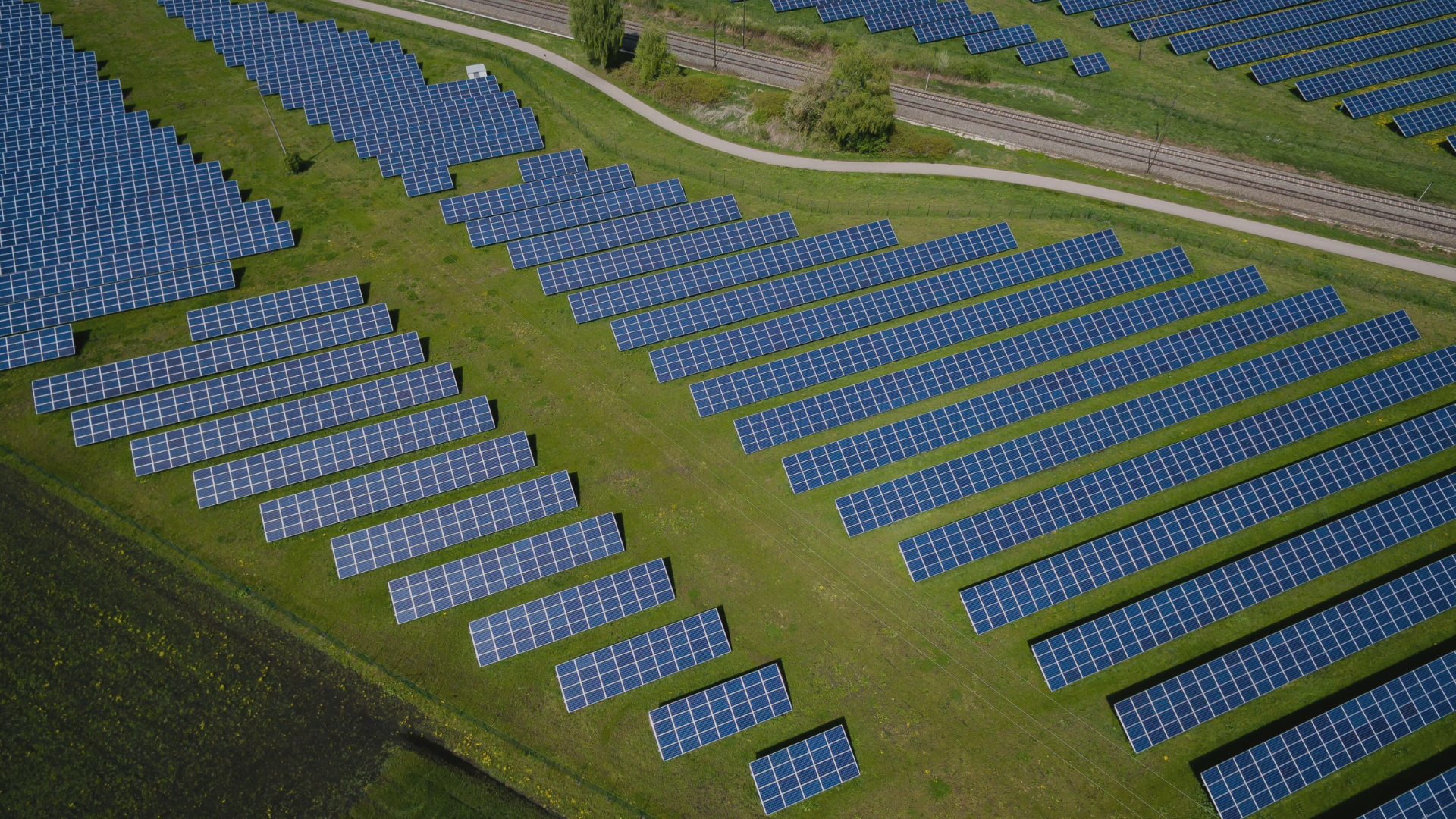
Solar in particular has become the fastest growing source of electricity in history. In many regions, it now accounts for the majority of new generation capacity. This growth has shifted the supply curve of electricity, creating periods of excess generation during peak sunlight hours and tighter supply during evenings. As a result, the grid is becoming more dynamic and less centralized. Electricity is increasingly produced across distributed assets rather than a limited number of large plants.
For companies operating across multiple facilities, this change means that energy availability and carbon intensity can vary significantly by location and time. Static assumptions about energy consumption are becoming less reliable. Understanding how energy is used at an hourly level is becoming essential for aligning operations with this new grid reality.
A second major development highlighted in the Ember report is that clean energy sources are now meeting all net growth in global electricity demand. This reflects both the rapid deployment of renewables and the increasing electrification of end uses such as transport, heating, and industrial processes.
Electricity demand itself is accelerating, driven by factors including data center expansion, artificial intelligence workloads, and electric vehicle adoption. Despite this growth, fossil fuel generation is no longer expanding at the same pace. Instead, renewables are filling the gap. This marks a turning point where emissions from the power sector can begin to stabilize and potentially decline over time.
For businesses, this shift creates new opportunities and challenges. On one hand, access to cleaner electricity can support decarbonization goals. On the other hand, the variability of renewable generation introduces uncertainty in both pricing and emissions accounting. Companies must navigate differences between market based and location based emissions factors, as well as increasing scrutiny on the credibility of sustainability claims.

As renewable penetration rises, the complexity of managing energy systems increases. Variability in generation leads to fluctuations in wholesale electricity prices, with periods of low or even negative pricing followed by spikes during high demand or low renewable output. Grid congestion is also becoming more common, particularly in regions where transmission infrastructure has not kept pace with new capacity.
These dynamics have direct implications for corporate energy strategies. Facilities may face higher demand charges, unexpected cost volatility, and constraints on expansion due to limited grid capacity. Data centers, in particular, are emerging as a significant driver of electricity demand, placing additional pressure on local grids.
To respond effectively, organizations need to move beyond monthly utility bills and static reporting frameworks. Granular data on energy consumption, combined with insights into grid conditions, enables more informed decision making. This includes identifying opportunities for load shifting, improving efficiency, and planning investments in on site generation or storage.
In this evolving environment, energy data is becoming a core component of operational infrastructure. The ability to collect, standardize, and analyze energy data across assets provides a foundation for managing both costs and emissions in real time.
Platforms such as NZero are positioned within this shift by enabling organizations to gain visibility into energy usage across electricity, natural gas, and water. By integrating data from multiple sources and applying analytics, companies can better understand where and when energy is consumed. This supports more accurate emissions tracking and helps align operations with periods of lower carbon intensity.
Beyond visibility, the role of energy management platforms is expanding into optimization. Scenario modeling, tariff analysis, and performance benchmarking allow organizations to evaluate different strategies and make informed decisions. As grids become more constrained and dynamic, these capabilities contribute to resilience and long term planning.
The findings from Ember’s Global Electricity Review 2026 highlight a decisive shift in the global power sector. Renewable energy has moved into a leading position, and clean sources are meeting the growth in electricity demand. These changes are reshaping the structure of the grid and introducing new complexities in how energy is consumed and managed.
For companies, adapting to this environment requires a more sophisticated approach to energy management. Visibility into consumption patterns, understanding of grid dynamics, and the ability to act on data are becoming essential capabilities. As the transition to a renewable dominated system continues, energy management will play an increasingly important role in both operational efficiency and decarbonization efforts.