
How Facilities Can Manage Peak Demand and Energy Costs
Expert Advice
Oct 9, 2026





Published April 27, 2026
 By NZero
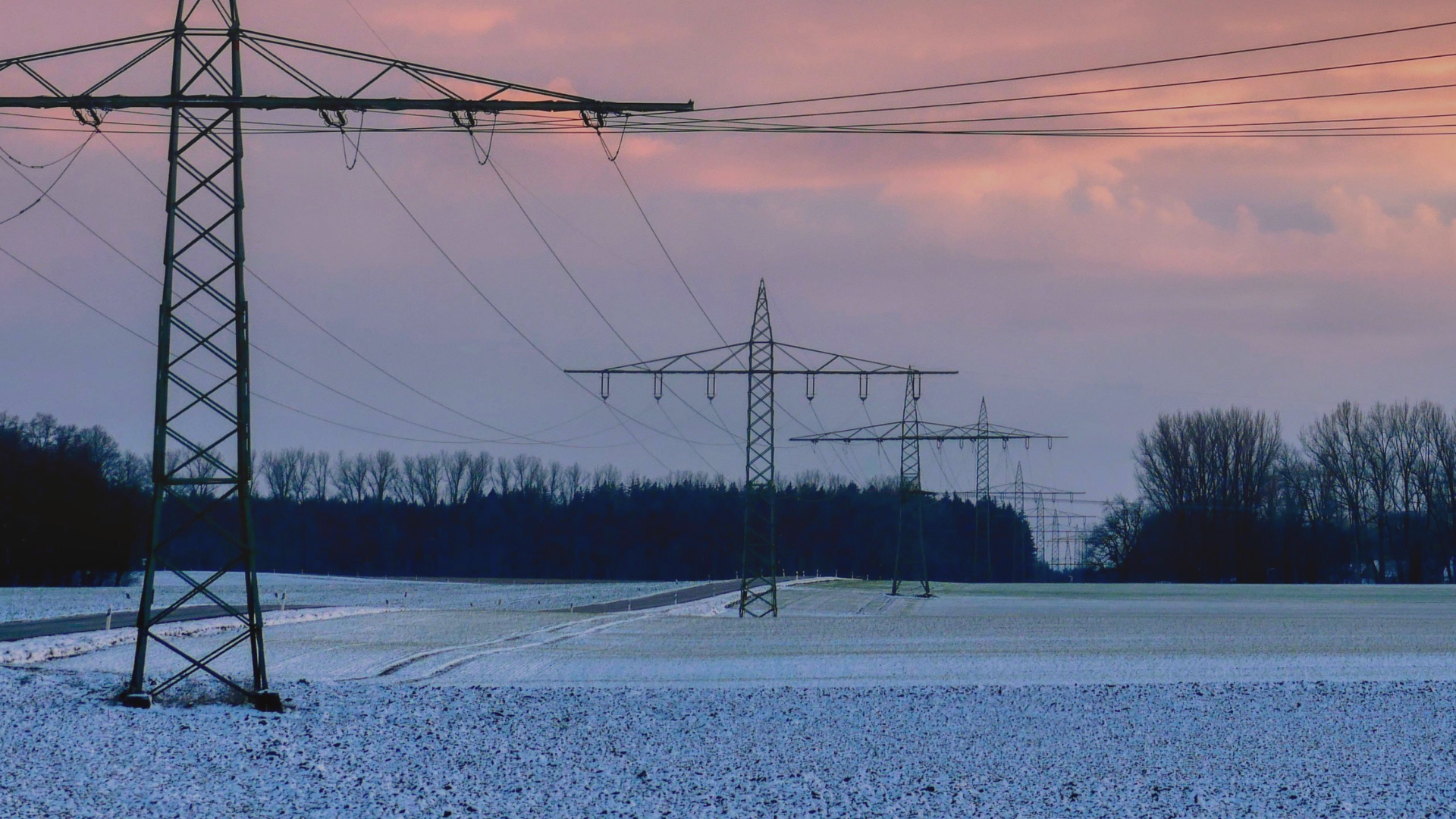
Electricity demand is entering a period of sustained growth driven by digital infrastructure, electrification, and industrial expansion. At the same time, power grids in many regions are struggling to keep pace due to aging infrastructure, long development timelines, and increasing exposure to extreme weather. Recent analysis from J.P. Morgan highlights that grid resilience is becoming a central issue for economic growth and the energy transition. The findings emphasize accelerating electricity demand driven by data centers and electrification, aging grid infrastructure that increases reliability risks, and an estimated multi trillion dollar investment requirement to modernize transmission and distribution systems. For companies, these dynamics are already affecting how energy must be managed across operations.
Global electricity demand is projected to grow steadily through 2030, with data centers, electric vehicles, and electrified heating systems contributing to a significant increase in load. Data centers alone are expected to represent a meaningful share of incremental demand as artificial intelligence and cloud computing continue to scale. At the same time, new power generation and transmission infrastructure is not being deployed fast enough to match this growth.
In many markets, permitting and development timelines for transmission projects can exceed ten years. This creates a structural gap between demand growth and grid capacity. As a result, companies are beginning to encounter constraints when expanding facilities or developing new sites. Power availability is no longer guaranteed, even in regions with historically reliable infrastructure.
These dynamics are also contributing to rising electricity costs. In some regions, prices have increased significantly due to supply constraints and peak demand pressures. For businesses, this introduces a new level of uncertainty in both operational planning and long term investment decisions.
Grid resilience is increasingly being discussed in the context of infrastructure and national policy, but its implications extend directly to corporate operations. Aging grid assets, some of which are several decades old, are more vulnerable to failure. At the same time, extreme weather events are becoming more frequent and severe, placing additional stress on already constrained systems.
For companies operating energy intensive facilities, these risks translate into tangible business challenges. Unplanned outages can disrupt production, impact service delivery, and create financial losses. In sectors such as manufacturing and data centers, even short interruptions can have significant consequences.
In addition to physical disruptions, companies are also facing increased volatility in electricity pricing. As grids become more constrained, price fluctuations during peak periods are becoming more pronounced. This makes it more difficult to forecast energy costs and manage budgets effectively.
Grid access is also emerging as a limiting factor for growth. In some regions, new developments are being delayed or denied due to insufficient grid capacity. This is particularly relevant for data centers and large scale industrial facilities, where power requirements are substantial and continuous.
As investment in grid infrastructure accelerates, there is a parallel increase in the adoption of digital solutions that enhance how energy systems are managed. Software is playing a critical role in improving visibility, forecasting demand, and optimizing energy use across both centralized and distributed assets.
Key capabilities include real time monitoring of energy consumption, advanced analytics for load forecasting, and integration with distributed energy resources such as onsite generation and storage. These tools enable more dynamic interaction between energy supply and demand, which is essential in a constrained grid environment.
For companies, this represents a shift in how energy is treated within the organization. Rather than being a fixed input measured through monthly utility bills, energy becomes a variable that can be actively managed on an hourly or even real time basis.
This shift also supports broader sustainability objectives. Improved data accuracy and granularity enable more precise tracking of emissions and more effective identification of reduction opportunities. As regulatory and reporting requirements continue to evolve, having access to reliable energy data is becoming increasingly important.
In response to these challenges, organizations are moving toward more proactive approaches to energy management. This includes investing in systems that provide centralized visibility across multiple sites and energy types, including electricity, natural gas, and water.
With access to granular data, companies can begin to optimize when and how energy is used. For example, shifting energy intensive processes away from peak demand periods can reduce costs and alleviate pressure on the grid. Coordinating energy use across facilities can also improve overall efficiency and reduce redundancy.
Energy data is also being used to inform capital planning decisions. By understanding usage patterns and identifying inefficiencies, companies can prioritize investments in efficiency measures, onsite generation, or storage solutions. This supports both cost reduction and emissions reduction goals.
Platforms such as NZero enable organizations to automate data collection, improve data accuracy, and gain real time insights into energy consumption. This allows companies to move beyond manual tracking and fragmented systems toward a more integrated and strategic approach to energy management.
Grid constraints and rising electricity demand are creating a more complex and uncertain operating environment for businesses. The concept of grid resilience is expanding beyond infrastructure planning into day to day operations, with direct implications for cost, reliability, and growth.
Companies that invest in visibility and active energy management are better positioned to navigate these challenges. By leveraging data and digital tools, organizations can improve operational efficiency, manage risk, and support their sustainability objectives.
As the energy landscape continues to evolve, energy management is becoming a core component of business strategy. Organizations that adapt to this shift will be better equipped to operate in a constrained and dynamic grid environment.